
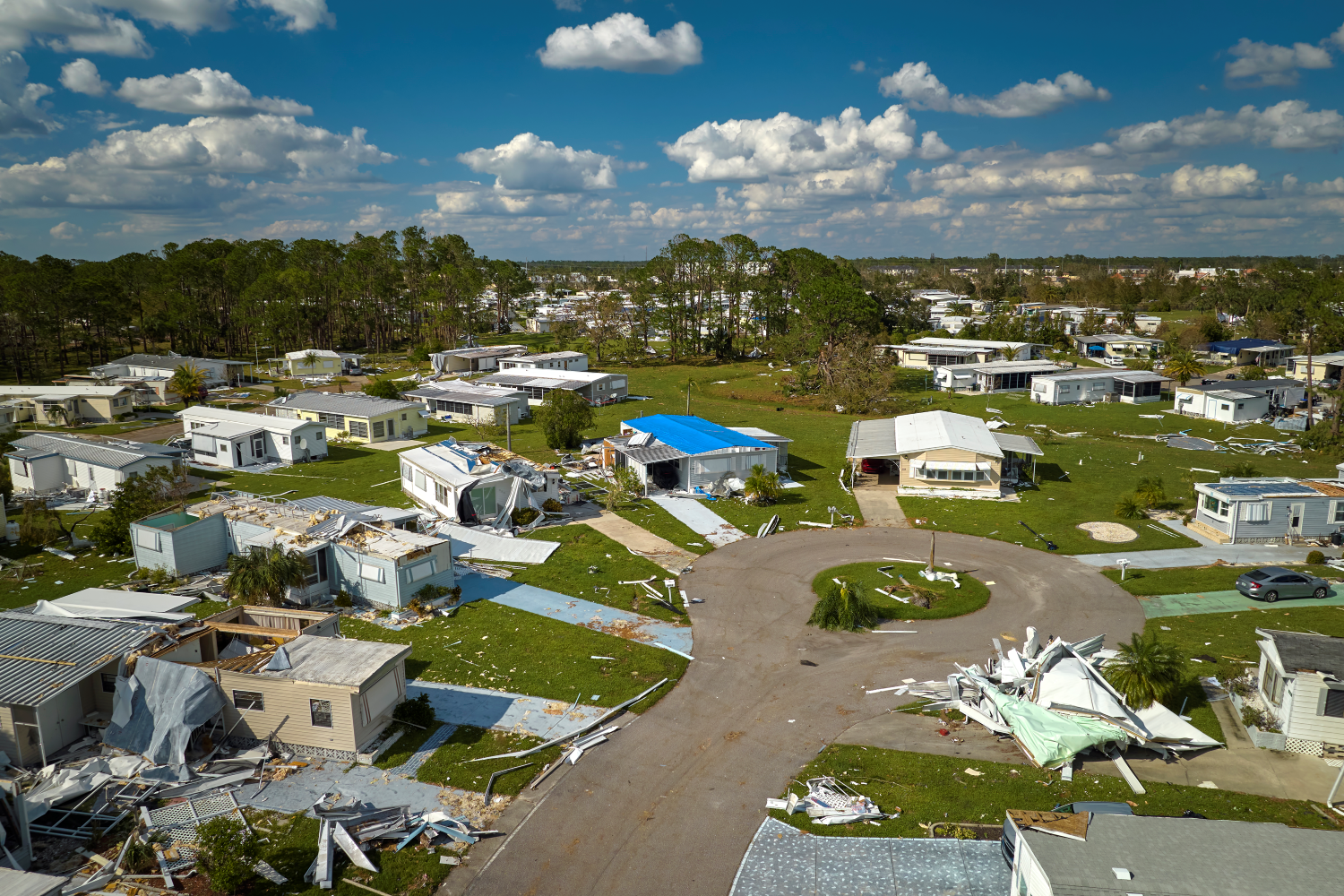
As a Florida homeowner, you know all too well the damage that hurricanes can cause. From high winds to storm surges and flooding, a severe storm can wreak havoc on your most valuable asset – your home. When faced with destruction from a hurricane, one of the first things you’ll have to do is file an insurance claim in an attempt to recover some of what was lost or damaged.
Filing an insurance claim after a hurricane can be confusing and frustrating. There may be a lot of documentation required by your insurance company before they’ll pay out on your claim. Timing on when to file with constricted deadlines alongside managing contractors to repair storm destruction amidst high demand doubles the stress.
This post provides tips to successfully file a claim in Florida after hurricane damage in 2024.
Understanding Your Insurance Policy
In hurricane-prone Florida, comprehending your insurance policy is critical for filing successful damage claims. Key aspects to analyze:
- Verify hurricane coverage specifics. Do you have a separate hurricane deductible or damage limits?
- Check if flood damage is covered. Flood insurance may be needed to cover this common hurricane aftermath.
- Note hurricane deductibles/limits differences from regular policy. Higher hurricane cost-sharing is common in high-risk regions.
Getting clarity on these insurance details forms a strong foundation when submitting hurricane claims. It enables realistic expectations on reimbursements while flagging any coverage gaps needing addressed. Policy fluency leads to smoother damage recovery.
How to File a Hurricane Insurance Claim in Florida
The first thing to do after any natural disaster is document the damage. Take dated pictures and videos detailing losses before you clean anything up. Also save any receipts associated with post-hurricane disaster needs should they be reimbursable.
Next determine if the damage will exceed your hurricane deductible. Florida hurricane deductibles are typically around 2% of your insured value, which can add up to thousands of dollars. If damage is minimal or repairs seem less than your deductible, consider paying out-of-pocket rather than filing a claim and risking premium hikes.
However, if destruction clearly exceeds the high hurricane deductible common in Florida, contact your insurance agent immediately. Provide documentation on damage and any temporary repairs made thus far to prevent further issues.
How Does Florida Pay for Hurricane Damage?
After major storms, the state of Florida has several options to help homes and businesses impacted by hurricane damage cover destruction costs:
- Federal Disaster Assistance – If the President declares the hurricane a disaster, impacted Floridians may get support from FEMA or the SBA including grants, low interest loans or unemployment assistance.
- Citizens Property Insurance Company – Florida’s state run insurer is required to cover damage meeting policy guidelines regardless of their financial situation. This helps areas struggling to obtain affordable private hurricane insurance coverage.
- Florida Hurricane Catastrophe Fund – This state managed fund sells reinsurance contracts to private insurers required to maintain reserves to pay claims after massive hurricane damage across Florida.
In addition, most hurricane losses not covered by government programs are paid by private insurers after Florida homeowners file claims documenting qualified destruction meeting coverage guidelines.
How Long to File Property Damage Claims in Florida?
For hurricane destruction impacting your home, you have one year from the date of loss to file an insurance claim in Florida. The statute of limitations gives twelve months to document damages exceeding deductibles and submit requested proof to your insurance company before giving up reimbursement rights for storm recovery costs.
How Hard is it to Get Hurricane Insurance in Florida?
Securing hurricane insurance in Florida can be a complex process due to the state’s exposure to hurricane risks. Florida has regulations in place that make it mandatory for homeowners borrowing money from federally regulated or insured lenders to maintain both windstorm and flood insurance in high-risk flood zones. This requirement ensures that properties in hurricane-prone regions have adequate coverage to meet mortgage requirements.
However, obtaining suitable hurricane insurance remains a significant challenge in Florida, especially in coastal areas that are particularly susceptible to hurricanes. One key reason for this challenge is the reluctance of private market insurance companies to underwrite new policies in the state.
These private insurers have faced significant losses due to the increasing frequency and severity of hurricanes over the past decade. As a result, they have become more selective in accepting new policies, making it difficult for many homeowners to secure coverage through private insurers.
Tips for Documenting Hurricane Damages in Florida
When a hurricane hits Florida, policyholders have to move quickly to document destruction from wind and water to successfully file claims. Here are some key tips for submitting damage claims after hurricanes:
- Take photos and videos of all damage before clean up showing extent of destruction to roofs, flooding, broken windows, damage to structure and possessions/furniture damage. Videos allow adjusters to better see overall damage scope over photographs. Photos dated with timestamps are critical documentation.
- Document temporary repairs needed to prevent further damage to your property from exposure to the elements. Save all receipts for supplies like tarps & board up supplies in case reimbursable.
- Note all hurricane disaster lodging and evacuation expenses you incurred that may qualify for FEMA grants if applicable.
- Dry out waterlogged items for documentation then photograph/take videos of anything unsalvageable for proof to claim flood damage payouts.
- If allowing a claims adjuster into your property, point out and explain any hidden structural damages they may overlook beyond clear exterior destruction visible at first glance.
- Research requires documentation and read your insurance policies thoroughly to avoid claim denial on any technicalities possible with hurricane claims. Know exactly what qualifying damage will need explicit proof details should the insurer push back paying expenses you expect as reimbursable.
The claim process after a devastating hurricane can be extremely confusing and stressful for impacted Florida families. Victims already coping with unimaginable losses often feel overwhelmed disputing complex documentation rules with insurers. Understanding exactly how to file hurricane claims properly from the start facilitates faster processing and payouts so you can focus on recovering sooner.
Reach out today to speak with a highly rated Florida public adjuster for personalized claim filing guidance so you can secure the maximum reimbursement you deserve to rebuild after any catastrophic hurricane this season.
Get Expert Help Filing Your Florida Hurricane Claim
Navigating the tedious hurricane insurance claim process in Florida can quickly become overwhelming after a devastating storm. Complex documentation requirements alongside pressed disaster recovery timeframes strain already stressful situations. CCA Public Adjusters, an experienced public adjuster serves as your personal claim filing guide and protector ensuring you receive fair claim payouts you deserve.
Contact us at (407) 516-7277 or email us at info@ccauaa.com for a free claim filing consultation after any hurricane causes destruction this season. As highly rated Florida claim specialists, we ease frustrations simplifying reimbursement processes home and business owners face after catastrophic storms. Don’t face claim denials alone – call us today to start your road to faster hurricane recovery.