
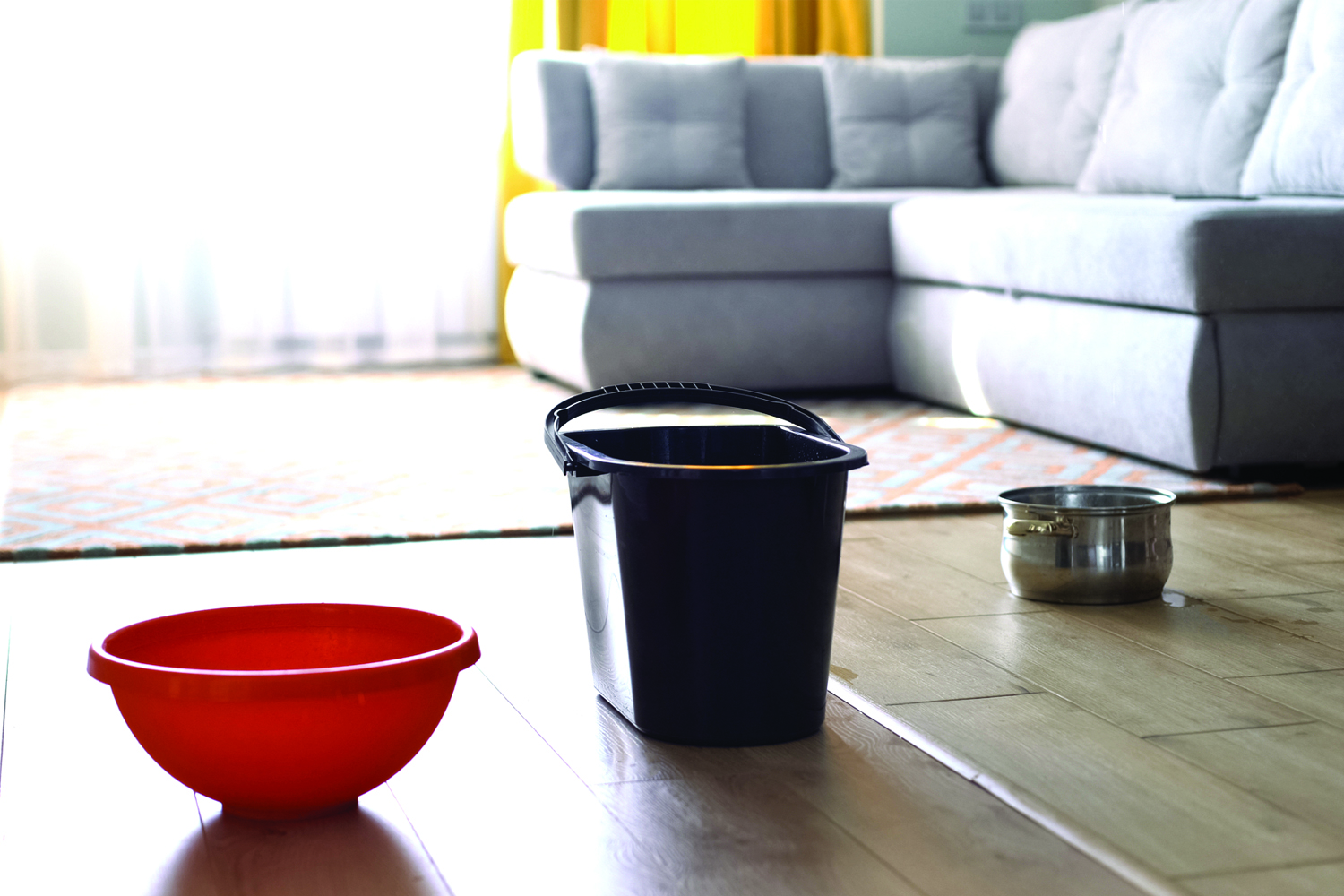
If you notice water dripping from your ceiling or attic, you likely have a roof leak that needs immediate attention. Ignoring a leaky roof can lead to serious and expensive damage to your home’s structure and belongings over time. In this post, we’ll cover the 10 most common causes of roof leaks so you can identify and properly fix the problem.
What Happens When Roofs Leak?
Rooftops endure blazing sun, heavy rainfall, punishing hail and hurricane-force winds year after year. It’s no wonder roof leaks eventually occur. When water penetrates through the surface shingles, felt underlayment and sheathing, it can wreak havoc in ways like:
- Water dripping into the attic or ceiling can lead to mold growth, ruined insulation and even rotting rafters or roof decking over time. This deterioration compromises the structural integrity of the roof.
- Leaking water can also stain ceiling drywall and paint, ruin belongings stored in the attic and potentially collapse ceilings if enough weight from water accumulation occurs.
- Dripping water entering electrical systems can short circuit wiring, resulting in an electrical fire hazard.
Clearly even occasional minor roof leaks shouldn’t be taken lightly when the potential downside is so severe. While pinpointing and properly fixing the root cause can be tedious for DIYers, investing in professional repairs upfront saves money and safety down the road.
Why Do You Need to Fix Roof Leaks Quickly?
It’s clear that even minor roof leaks should be promptly fixed before leading to larger, more hazardous and expensive problems. The longer you allow water intrusion to occur in the home, the more pervasive moisture damage becomes. Fixing a small leak now also costs far less than if major sections of drywall, insulation, decking and shingles need replacing later.
Additionally, living with active leaks raises health concerns like mold exposure. By law, landlords must repair roof leaks to ensure rental units meet habitability standards. As a homeowner, fixing a compromised roof also protects your investment and prevents liability if someone were injured because you ignored a definite hazard.
10 Common Roof Leak Causes
Knowing the source of moisture intrusion is the first step toward proper roof leak repair. Here are 10 of the most prevalent causes of roof leaks:
1. Damaged, Curling or Missing Shingles
Brittle, cracked or buckling asphalt shingles allow water intrusion, as do any missing shingles that expose the vulnerable felt layer underneath. Harsh weather accelerates the breakdown of roofing materials. Coastal climates also degrade shingles faster.
Carefully inspect for compromised spots after severe storms. Look for granule loss, cracking/curling and areas where wind gusts may have lifted shingles altogether. A single problem shingle can result in interior ceiling stains if not replaced promptly.
2. Clogged Roof Valleys & Water Dams
Valleys and crevices where roof planes intersect rely on unobstructed water flow. Any debris accumulates here, blocking drainage. Pooling water leaks through tiny cracks into the attic rafters below.
Clear out piled up leaves, branches and other obstructions so valleys drain freely. Also shovel excess snow before meltwater can back up and seep underneath shingles. Ice dam prevention strips may also help high-risk leak zones.
3. Worn Out or Poorly Installed Flashing
Metal flashing pieces around joints, chimneys and protrusions seal off gaps in the roof covering. But eventual rust holes, separation and loose connections allows water intrusion. Faulty DIY flashing jobs also commonly fail.
Inspect the condition of flashing, especially the most vulnerable step flashing pieces on sloped roof transitions. Ensure metal drip edge borders remain securely bonded for leak prevention.
4. Neglected Gutters & Downspouts
Clogged gutters overflow and lead to water splashing up underneath shingles. Leaky downspouts, misaligned extensions dumping water too close to the home and missing splash blocks also feed damaging moisture issues.
Making gutter cleaning and realignment a regular maintenance routine minimizes roof leaks. Downspout connectors may need resealing over time too. Proper drainage deters problems.
5. Skylight Sealing Failures
The resilient seals around fixed skylight frames eventually fail after years of UV and weather exposure. Leaks then drip down the interior skylight shaft undetected for awhile. Cracked or foggy plastic domes also need replacement.
Inspect skylight seals and test aged acrylic domes for signs of leakage every few years as preventative maintenance against subtle interior drips. Re-caulking saves money long-term.
6. Wind-Driven Rain Penetration
Wind gusts during thunderstorms or tropical storms can literally blow rain up and under shingles. The lifting force compromises the roof covering’s protective overlap and capillary action draws water inward. Coastal regions see particular problems with wind-driven leaks.
Additional adhesive sealant strips and tighter shingle nailing patterns can batten down the hatches. Or consider impact-resistant architectural shingles that withstand intense weather.
7. Deteriorated Soffits & Fascia
Often neglected yet critical areas prone to leaks include the soffit underside eaves and fascia trim boards. Any unprotected or open wood allows water migration into the attic through gaps. Keeping soffits sealed and fascia caulked protects the interior.
Inspect for moisture damaged or loose panels. Paint also peels here rapidly due to sun exposure, requiring frequent touch ups to avoid wood rot over time. Proper overhang ventilation prevents issues too.
8. Rust & Corrosion on Metal Roofing
Standing water, excess debris and runoff patterns leading to erosion/pitting all accelerate rust formation on metal roofs. Coastal sea salt atmosphere also rapidly degrades and penetrates protective coatings over years.
Pay special attention to any ageing metal roof areas lacking rainwash protection from overhead tree limbs or structures. Significantly rusted panels require prompt replacement to avoid leaks.
9. Chimney Flashing Breakdown
The stepped metal pieces along exterior brick chimneys withstand expansion/contraction forces daily as temperatures fluctuate. Eventually this ages the flashing materials, allowing moisture intrusion. Rust corrosion, loose connections and ill-fitted joints also leak over time.
Evaluate chimney flashing pieces carefully for gaps, warping or signs of water entry. Also ensure mortar joints remain properly re-pointed to prevent leaks.
10. Holes from Animals & Falling Debris
And don’t forget small yet destructive causes of mystery roof leaks like raccoons, possums or tree rats that occasionally claw holes through shingles seeking warm nesting spots. Falling branches that crash through the rooftop after intense storms can also create problematic openings.
Carefully scan for any visible exterior holes or penetrations if attic leaks emerge suddenly, then patch and seal shingles immediately to prevent ongoing water damage. Secure overhanging limbs and install animal deterrents if necessary too.
Get Professional Support Inspecting and Documenting Roof Leaks
While regular maintenance and minor repairs may solve many common roof leak causes, extensive moisture damage often requires a roof replacement covered by home insurance. Documenting existing issues thoroughly protects future claims if leaks escalate into largescale interior destruction.
This is where public adjusters prove invaluable – conducting detailed on-site analyses and substantiating insurance claims for the full cost of repairs. As licensed experts negotiating only on your behalf, public adjusters maximize payouts 2-10x over what homeowners recoup alone!
If unaddressed drips from your roof are causing growing water stains, mold or structural sagging, don’t wait to get an expert assessment. Call us at (407) 516-7277 or email info@ccauaa.com to schedule a free inspection.
CCA Public Adjusters will identify the root cause of leaks and preserve evidence for insurance claims that cover necessary fixes. With CCA representing you for the best possible settlement, you can feel confident restoring your home back to peak condition!