
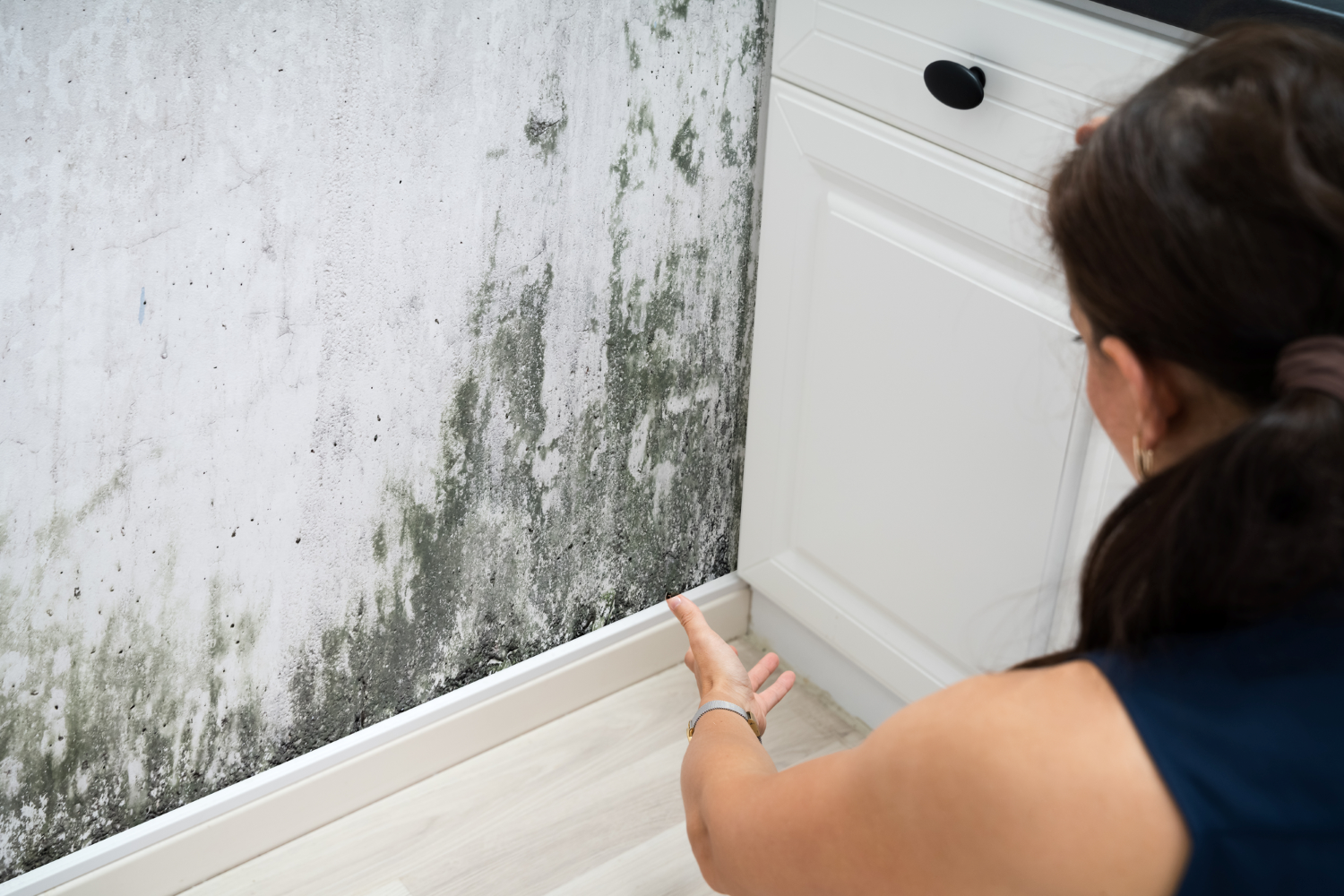
Discovering mold in your Florida home or business can be a stressful and overwhelming experience. Mold is not only unpleasant to look at and smell, but it can also cause health problems and damage your property. If you’re thinking about filing an insurance claim to pay for mold removal and repairs, the process can be complicated and confusing. That’s where a public adjuster in Florida comes in.
They are experts who can help you navigate the insurance claim process and increase your chances of getting the money you need to fix the problem. In this guide, we’ll take you through the key steps for dealing with mold damage with the assistance of a public adjuster, so you can restore your property and protect your health and well-being.
Is Mold Damage Covered Under Your Florida Insurance Policy?
The first order of business is to determine whether your specific insurance policy includes coverage for mold damage. In Florida, insurance coverage for mold claims varies widely between providers and policy types. Here’s what you need to know:
- Most standard homeowners insurance policies in Florida provide some degree of coverage for mold damage, but the devil is in the details. Coverage specifics hinge on your individual insurer and policy terms.
- For a mold claim to be covered, the mold growth typically must result from a “covered peril.” Think sudden and accidental incidents like burst pipes, water heater failures, or AC leaks. Mold stemming from maintenance neglect, structural defects, or long-term humidity is generally not covered.
- Many policies cap mold damage insurance claim Florida payouts, often in the $5,000 to $10,000 range. For more robust coverage, you may need to purchase mold-specific endorsements or riders.
- Flood-induced mold damage from rising water or heavy rains is not covered by standard homeowners insurance in Florida. For this, you’d need a separate flood insurance policy.
So before you start on filing a mold insurance claim, bust out that policy booklet or get your insurance agent on the line. Familiarize yourself with your specific mold coverage terms and limitations.
Thoroughly Document the Extent of Mold Damage
Let’s say you’ve confirmed you have applicable mold damage coverage—awesome! Your next move is to meticulously document the damage to support your mold claim. You’ll need to arm your insurer with a stockpile of evidence that paints an indisputable picture of your mold issues.
Some Tips for Documenting Mold Damage for Insurance Claims
- Snap ample photos and videos showcasing the mold growth from every angle. When it comes to visual evidence for mold claims, more is more.
- Jot down detailed notes about the location, scope, and progression of the mold. Don’t forget to mention any musty odors or health symptoms you’ve observed.
- Try to pinpoint what caused the mold growth—was it a leaky roof, a broken pipe, or something else? Insurers are more likely to cover mold damage that has a clear, covered cause.
- Catalog any personal property that’s been damaged by the mold, like furniture, carpets, clothing, or electronics. These losses can beef up your mold claim.
- Maintain records of any relevant maintenance, repairs, or utility bills. A timeline of your mold saga can help substantiate your insurance claim.
The goal is to build an ironclad case that not only demonstrates the presence of mold, but also links it to a covered event and outlines the full scope of damages. The more comprehensive your proof, the smoother your mold claim process will be.
Promptly Notify Your Florida Insurance Provider
Armed with your mold damage documentation, your next step is to loop in your insurance company ASAP. We recommend alerting your insurer as soon as you suspect you have a mold problem—even if you don’t have all your ducks in a row yet. Why the urgency? Let us explain:
- Most Florida insurance policies have a “prompt notice” clause buried in the fine print. Dragging your feet on reporting mold damage could jeopardize your coverage.
- The earlier you initiate the mold claim process, the quicker an adjuster can assess the damage and give your claim the green light. Considering mold’s talent for proliferating rapidly, time is of the essence.
- Your insurer can advise you on what to do (and not do) to mitigate further mold damage and protect your claim. Following their protocol is key.
- Timely reporting establishes a clear timeline of when the mold damage occurred, which is crucial for your insurance company to determine causation and coverage.
Call In the Pros for Mold Damage Inspection and Remediation
When it comes to wrangling mold damage, the DIY route is a big no-no. Not only can improper mold removal inadvertently launch spores into the air and allow the infestation to spread, but it can also potentially null and void your insurance coverage. To ensure your Florida mold claim is buttoned up, you’ll need to call in the cavalry—that is, licensed mold remediation specialists.
The professional mold damage remediation process generally goes something like this:
- Inspection: A certified mold inspector will assess your property inside and out, often using infrared cameras and moisture meters to detect mold lurking behind walls and under floors. This thorough evaluation lays the groundwork for remediation and supports your insurance claim.
- Containment: To prevent mold spores from spreading further, the affected area is fully sealed off with plastic sheeting and negative air pressure. Technicians suit up in protective gear to avoid tracking mold to other areas.
- Removal: Porous materials like drywall and carpeting that are visibly contaminated with mold are carefully extracted and disposed of. Non-porous surfaces are treated with industrial-strength antifungal and antimicrobial cleaners to eradicate the mold.
- Remediation: Once the existing mold is expelled, the underlying moisture issues are addressed to prevent a resurgence. This may entail repairs to your property’s structure, plumbing, or ventilation systems.
- Restoration: With the mold remedied, any removed building materials are replaced to restore your property to its pre-loss condition. The salvaged area is then tested to verify it’s mold-free.
It’s worth noting that most Florida insurance companies require mold damage remediation to be performed by a licensed and insured contractor for your mold claim to be approved. You’ll want to choose a reputable company that is IICRC (Institute of Inspection Cleaning and Restoration Certification) certified in mold remediation.
Know What to Expect from the Mold Insurance Claim Process
If you’ve never filed a residential insurance claims, the process can feel like uncharted territory. While the specifics vary between Florida insurance providers, here’s generally what you can expect:
- Claim filing: After notifying your insurer of your mold damage, you’ll be asked to submit an official claim form detailing the circumstances and extent of the damage. This is where that documentation we referenced earlier comes into play.
- Adjuster assignment: The insurance company will appoint an adjuster to inspect your property and evaluate the mold damage firsthand. Their assessment will be instrumental in determining your claim’s outcome, so it’s crucial to be prepared and cooperative.
- Damage evaluation: The adjuster will review your mold damage documentation, survey your property, and collect additional evidence like moisture readings and mold samples. They may also interview you and any witnesses or experts involved.
- Claim decision: Based on the adjuster’s findings, your insurer will make a determination on your mold damage claims—either approving, denying, or adjusting it. If approved, they’ll calculate your payout based on your policy limits and terms.
- Repair and remediation: With your mold insurance claim approved, you can proceed with hiring a mold remediation contractor and restoring your property. Be sure to save all receipts and invoices related to the cleanup and repairs.
Conclusion
No one ever anticipates dealing with mold damage, but the unfortunate reality is that it can happen to any Florida property owner. If you find yourself grappling with mold, remember these key points before filing a mold insurance claim:
- Review your insurance policy carefully to understand your specific mold coverage and limitations.
- Document the mold damage meticulously with photos, notes, and records.
- Notify your insurance company promptly and heed their guidance on mitigating further damage.
- Hire licensed professionals for mold inspection and remediation—DIY is not worth the risk.
- Cooperate fully with the insurance adjuster and be prepared for the claim investigation process.
- Stay organized, persistent, and advocate for yourself and your mold claim.
By following these steps and working closely with your insurance provider and public adjuster Florida, you can successfully file a mold damage insurance claim and get your Florida property back to normal.
Don’t leave your mold damage claim to chance. Contact CCA Public Adjusters today at (407) 516-7277 or email us at info@ccauaa.com for a free consultation. We’re here to advocate for you and help you get your property back to normal as quickly as possible.