

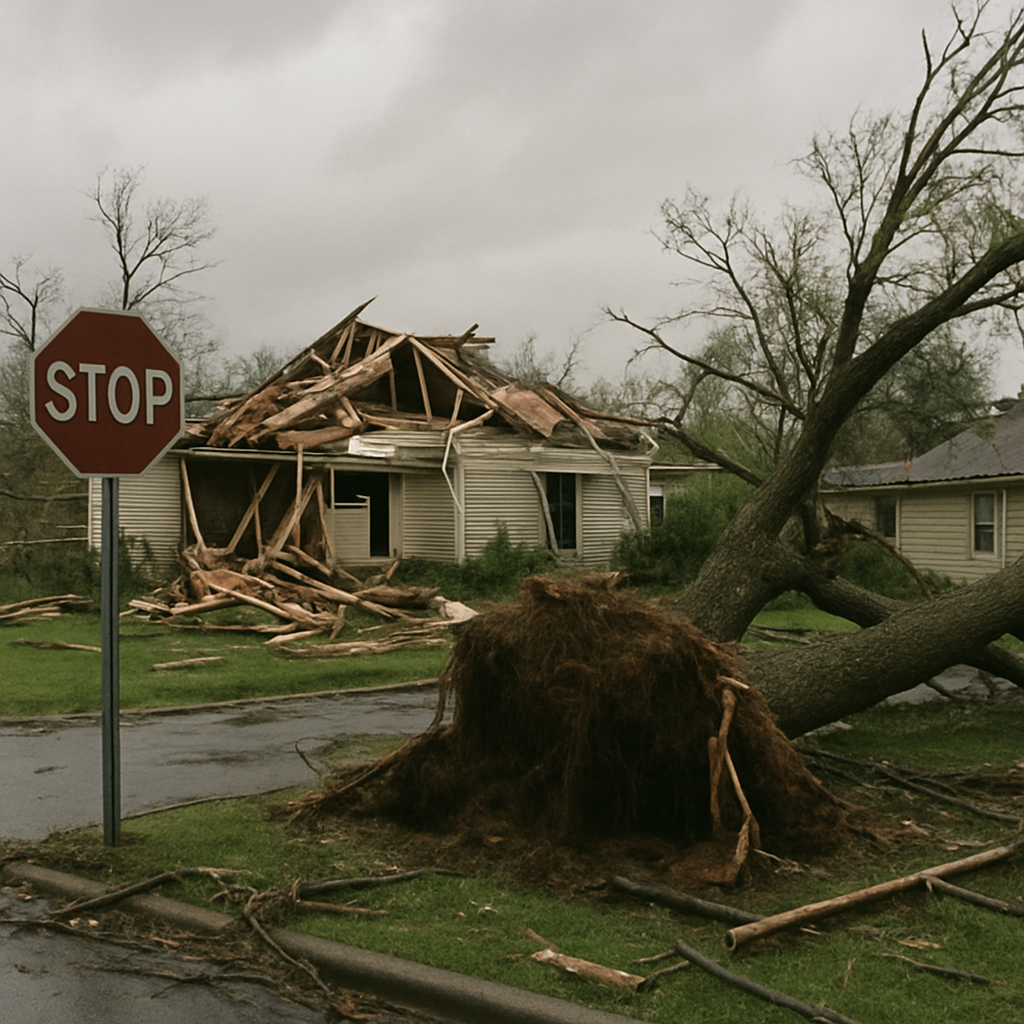
When a major storm hits, the damage is obvious. What is not obvious is what to do next. Many homeowners lose money not because the damage is not covered, but because they misunderstand the storm damage insurance claim process.
Insurance companies move fast after storms. Homeowners are often overwhelmed, stressed, and unsure of their rights. That combination leads to rushed decisions, missed steps, and underpaid storm damage claims.
This guide explains how the process works, what insurance companies expect, and how to protect yourself after storm or hurricane damage.
What Counts as Storm Damage Under an Insurance Policy?
Storm damage generally refers to physical damage caused by severe weather events. Coverage depends on your policy, but commonly includes:
- Wind damage from hurricanes or tropical storms
- Roof damage caused by wind or flying debris
- Water intrusion caused by storm-related openings
- Structural damage from fallen trees or debris
Hurricane damage insurance may involve separate deductibles, coverage limits, or exclusions depending on your policy and location. This is why reviewing your policy early matters.
Not all damage is immediately visible. Some storm damage worsens over time, especially roof, moisture, and structural issues.
The Storm Damage Insurance Claim Process (Step by Step)
Understanding the process puts you in control. Below is how the storm damage insurance claim process typically works.
Step 1: Ensure Safety and Prevent Further Damage
After the storm passes, your first responsibility is safety. Once it is safe, you are required to take reasonable steps to prevent additional damage, such as temporary tarping or water mitigation.
Failure to do this can be used by insurers to reduce payment.
Step 2: Document All Damage Thoroughly
Before making permanent repairs, document everything:
- Photos and videos of all visible damage
- Interior and exterior damage
- Water stains, leaks, and cracks
- Damaged contents
Documentation becomes the foundation of your storm damage claims file.
Step 3: Notify Your Insurance Company
Contact your insurer as soon as possible to report the loss. This creates a claim number and starts the timeline.
Do not speculate about the cause of damage. Stick to facts.
Step 4: Insurance Adjuster Inspection
The insurance company will send its own adjuster to inspect the property. This adjuster works for the insurer, not for you.
Their report heavily influences what gets approved, denied, or minimized.
Step 5: Review the Initial Claim Decision
Many homeowners assume the first offer is final. It is not.
Initial estimates often:
- Miss hidden or long-term damage
- Exclude code upgrades
- Undervalue labor or materials
This is where many insurance claim tips come into play.
Common Mistakes Homeowners Make After Storm Damage
Even careful homeowners make mistakes under pressure.
Accepting the First Settlement Too Quickly
Quick payments feel like relief, but they often close the door on future compensation.
Relying Only on the Insurance Adjuster
Insurance adjusters are not neutral. Their job is to protect the insurer’s financial interests.
Making Permanent Repairs Too Soon
Once repairs are completed, proving the full scope of damage becomes difficult.
Missing Deadlines
Storm claims come with strict reporting, documentation, and proof-of-loss deadlines.
Missing one can weaken or invalidate your claim.
Hurricane Damage Insurance: Why These Claims Are Different
Hurricane claims are more complex than standard storm claims.
Reasons include:
- Separate hurricane deductibles
- Wind vs flood coverage distinctions
- Widespread insurer backlogs
- Increased claim scrutiny
With hurricane damage insurance, insurers often apply stricter interpretations of coverage language.
This makes documentation and claim strategy even more important.
How Insurance Companies Evaluate Storm Damage Claims
Insurance companies rely on:
- Adjuster reports
- Policy language
- Damage causation analysis
- Repair cost estimating software
If damage is categorized incorrectly or partially documented, it may be excluded or underpaid.
This is why homeowners who understand the storm damage insurance claim process tend to recover more.
Insurance Claim Tips That Protect Your Settlement
These insurance claim tips help level the playing field:
- Keep all communication in writing
- Track every inspection and conversation
- Do not sign releases without review
- Ask for explanations in writing
- Compare estimates carefully
Being organized signals seriousness and reduces claim friction.
What to Do If Your Storm Damage Claim Is Delayed or Underpaid
Delays and underpayments are common after major storms.
If this happens:
- Request written justification for decisions
- Ask for a reinspection
- Compare estimates line by line
- Consider professional claim representation
You are allowed to challenge a decision if it does not reflect the actual damage.
When a Public Adjuster Helps Most
A public adjuster works exclusively for you, not the insurance company.
They assist by:
- Reviewing your policy
- Documenting full damage scope
- Preparing detailed estimates
- Negotiating directly with insurers
For complex storm damage claims, especially hurricane losses, professional representation often leads to better outcomes.
Timeline Expectations for Storm Damage Claims
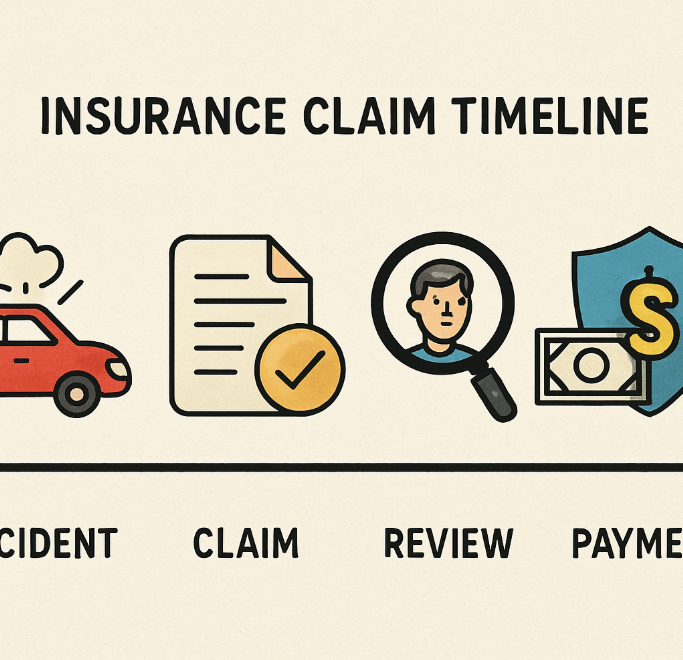
Every claim is different, but general timelines look like this:
- Claim reporting: immediately after storm
- Initial inspection: days to weeks
- First decision: weeks
- Negotiation and supplements: weeks to months
Understanding this helps reduce frustration and rushed decisions.
Knowledge Is Your Strongest Protection
Storm damage is stressful. The claims process does not have to be confusing or unfair.
Homeowners who understand the storm damage insurance claim process, avoid common mistakes, and follow proven insurance claim tips are better positioned to recover what they are owed.
If you are dealing with storm damage claims or navigating hurricane damage insurance, taking a proactive, informed approach makes a measurable difference.
Need Help With a Storm Damage Insurance Claim?
If you are unsure whether your storm damage insurance claim process was handled correctly, a professional claim review can help you understand your options before deadlines expire.
CCA Public Adjusters reviews storm and hurricane damage claims to identify missed damage, underpaid items, and coverage issues—before they become permanent setbacks.Call (407) 516-7277 or email info@ccauaa.com to request a free, no-obligation claim review and get clear answers about your storm damage claim.
