
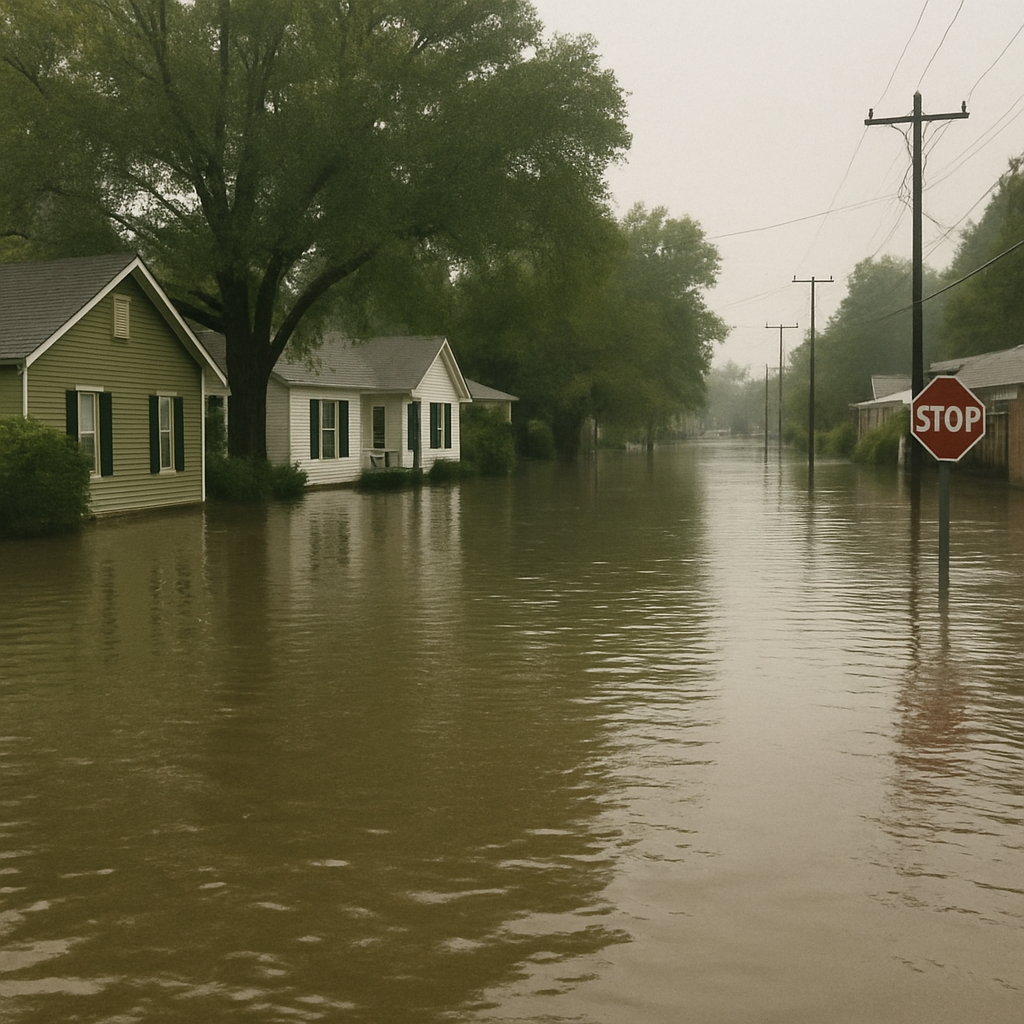
Homeowners often ask, “What Affects the Average Cost of Flood Insurance in South Carolina?”
Flooding is not just a coastal problem in the Palmetto State. South Carolina homeowners can face flood risk from storm surge, heavy rain, overflowing rivers, tidal water, and fast surface runoff. That is exactly why the average cost of flood insurance South Carolina homeowners see can vary so much from one property to the next. South Carolina’s Department of Insurance also makes it clear that a standard homeowners policy typically does not cover flood damage, including water from storm surge, and that even one inch of water can cause up to $25,000 in damage.
For a company like CCA Public Adjusters, this matters because flood losses often turn into difficult claims. CCA handles flood, hurricane, fire, mold, roof leak, and other property damage claims, and it serves property owners across South Carolina with public adjusting support designed to help policyholders pursue fair settlements. The company also highlights residential and commercial claims services, free claim analysis, and decades of combined experience.
If you are comparing flood insurance quotes , trying to understand flood insurance rates, or wondering why your premium changed, here is what usually affects the price.
Flood insurance cost is based on risk, not just ZIP code
Many homeowners still think flood pricing mainly comes down to whether a property sits inside or outside a FEMA flood zone. That is no longer the full picture.
FEMA’s current NFIP pricing approach, known as Risk Rating 2.0, is designed to reflect an individual property’s actual flood risk more closely. FEMA says the updated system is fully implemented, and flood pricing now considers a wider set of variables than the old model.
That means the average cost of flood insurance in South Carolina is really an average of many different risk profiles, including:
- Distance to water
- Type of nearby flood source
- Elevation relative to the flood source
- Frequency and severity of possible flooding
- Replacement cost of the home
- Foundation type and building characteristics
So, two homes in the same town may receive very different premiums.
Distance from the coast and nearby water matters
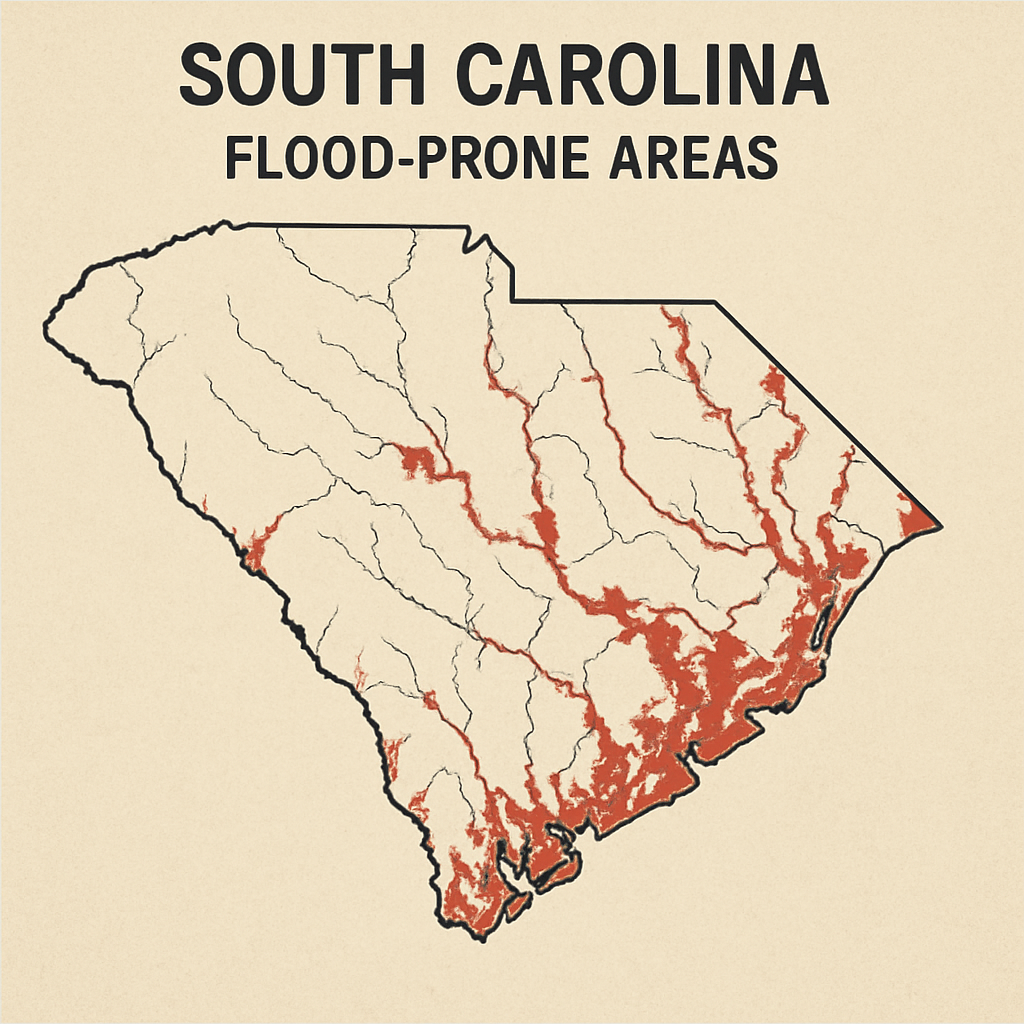
South Carolina has obvious coastal exposure, but flood risk is not limited to beachfront property. Homes near tidal creeks, rivers, marshes, inland flood-prone roads, retention areas, and low-lying neighborhoods can all see higher pricing.
FEMA’s pricing framework factors in how close a property is to water and the type of water source involved. Properties closer to flood sources or exposed to more severe flood behavior often face higher premiums.
That is especially important in South Carolina, where coastal counties may face storm surge risk and inland properties can still flood during major rain events. The South Carolina Department of Insurance specifically notes that floods can happen outside expected flood zones and points to the 2015 event as proof that many areas that had never flooded before still suffered serious damage.
Your flood zone still plays a role
Flood zones are not the only thing that matters, but they still influence underwriting and lender requirements.
If your property is in a higher-risk flood area and you have a federally backed mortgage, flood insurance may be required. Even when it is not required, many owners still choose coverage because flood losses are expensive and homeowner’s insurance usually excludes them. FEMA says the NFIP provides flood insurance to property owners, renters, and businesses, helping them recover faster after floodwaters recede.
For homeowners in South Carolina, this means a mapped high-risk area can affect both availability and price. But even moderate-risk or lower-risk properties may still need quotes because flooding can happen well beyond the most obvious zones.
The replacement cost of your home can raise premiums
One of the biggest changes under newer flood pricing is that the cost to rebuild the home matters more than many owners expect.
Under Risk Rating 2.0, FEMA considers replacement cost value as part of pricing. In simple terms, a more expensive home often costs more to insure because the amount at risk is greater.
This does not always mean a luxury home is in the highest flood-risk location. It does mean that when flood damage happens, the insurer may be facing a much larger potential payout. That can push premiums higher even if two homes sit in the same general area.
Building features and elevation can affect the price
Insurers do not just look at where the property is. They also look at what the property is like.
A raised home, a home with favorable elevation characteristics, or a structure with features that reduce flood exposure may receive better pricing than a lower-lying structure with more vulnerability. Foundation type, floor height, and overall construction details can all influence flood insurance rates under modern pricing models.
That is why owners shopping for flood insurance quotes should make sure property details are accurate. Small differences in structure data can affect the premium.
Coverage amount and policy type also change the cost
The price is not only about the property’s risk. It is also about how much protection you buy.
Your premium may change based on:
- Building coverage limit
- Contents coverage selected
- Deductible amount
- Whether the policy is through NFIP or a private insurer
- Whether you need added protection beyond standard policy limits
Some property owners in South Carolina use the National Flood Insurance Program, while others compare private flood options. The South Carolina Department of Insurance points consumers to the NFIP as a source of coverage and encourages homeowners and renters to consider flood insurance even outside obvious risk zones.
Recent claim history and area-wide loss experience can matter indirectly
Flood pricing is increasingly property-specific, but broader market conditions still have an impact. When a region experiences repeated storm losses, insurance pricing pressure often follows.
South Carolina’s climate and geography create regular exposure to hurricanes, tropical storms, heavy rainfall, and water-related property losses. CCA’s South Carolina page directly points to the state’s vulnerability to hurricanes, storms, and weather-related insurance claim complications.
That does not mean every home will have the same premium increase. It does mean South Carolina owners should expect insurers to pay close attention to flood exposure and loss potential.
Why the “average” can be misleading
Averages are helpful for research, but they do not tell you what your property will cost.
Recent reporting and industry summaries show that flood premiums can range widely, from a few hundred dollars per year to well over $1,000 or more for higher-risk homes, especially in coastal or more flood-exposed areas. FEMA’s current pricing model is intended to reflect the specific property rather than broad national assumptions, and rate changes for existing NFIP policyholders may still phase in over time.
So when homeowners ask about the average cost of flood insurance South Carolina, the better question is often: What risk factors apply to my home specifically?
How to get better flood insurance quotes in South Carolina
If you want more accurate quotes, gather the right details before you shop. This makes it easier to compare flood insurance quotes and understand how flood insurance rates differ across insurers.
Have these ready:
- Property address
- Year built
- Square footage
- Foundation type
- Elevation information, if available
- Prior flood history
- Coverage amount needed
- Mortgage requirements, if any
This helps reduce guesswork and makes it easier to compare policy options fairly.
It also helps to review your full insurance picture. Flood claims often overlap with other storm-related losses, and property owners sometimes discover too late that flood, wind, and water losses are treated differently. South Carolina’s Department of Insurance warns that standard homeowner’s insurance does not cover flood damage, including storm surge, so it is important to understand where your flood policy begins and where your other property coverage ends.
Why claim support matters after flood damage
Buying coverage is only one side of the problem. Filing and proving a flood-related loss is the other.
CCA Public Adjusters positions itself as an advocate for policyholders, not the insurer, and its South Carolina services focus on documenting losses, handling claim complexity, and helping property owners pursue fuller settlements after disasters. The company highlights support for hurricane, water, mold, fire, roof leak, and other property-related claims, along with free claim analysis.
That can matter when the damage is extensive, documentation is complicated, or a policyholder believes losses have been underestimated.
Talk to CCA Public Adjusters About Your Flood Damage Claim
If your property has suffered flood or storm-related damage, CCA Public Adjusters can help you understand the claim process and work toward a fair settlement. They serve South Carolina property owners and handle a wide range of insurance claims, including flood and storm losses.
Call (321) 306-6844 or email info@ccauaa.com to schedule your consultation and get help reviewing your property damage claim.
Frequently Asked Questions
Why is the “average cost of flood insurance in South Carolina” so hard to pin down?
Because FEMA’s Risk Rating 2.0 prices policies based on each property’s specific risk and coverage choices, statewide averages blend many very different risk profiles. Two homes on the same street can have very different premiums due to factors like distance and type of nearby water, elevation, flood frequency/severity, replacement cost, and building features. Choices such as coverage limits, deductibles, and whether the policy is NFIP or private also change the price. That’s why “average” figures can be misleading; real quotes depend on accurate property details. Premiums can range from a few hundred dollars per year to well over $1,000+ for higher-risk or higher-value homes.
What factors most affect my flood insurance premium under Risk Rating 2.0?
Pricing is driven by risk at your specific address and the coverage you buy. Key drivers include:
- Distance to water and the type of flood source (coast, river, tidal creek, etc.)
- Elevation relative to that source and building elevation features
- Frequency and severity of potential flooding in your area
- Replacement cost of the home (higher rebuild costs typically mean higher premiums)
- Foundation type and other construction characteristics
- Coverage limits for building and contents, your deductible, and NFIP vs. private policy
- Indirectly, broader market and area-wide loss experience can add pricing pressure, even though rating is more property-specific today
Does my standard homeowners policy cover flood damage in South Carolina?
Typically, no. The South Carolina Department of Insurance makes clear that a standard homeowners policy does not cover flood damage, including storm surge. Even one inch of water can cause up to $25,000 in damage, which is why many owners consider separate flood insurance. FEMA notes the NFIP provides flood coverage for property owners, renters, and businesses to help them recover after floods.
Do I need flood insurance if I’m outside a high-risk zone or live inland?
Flood risk isn’t just a coastal or “high-risk zone” issue in South Carolina. Homes near rivers, tidal creeks, marshes, low-lying areas, and even inland roads or retention areas can flood. The state points to the 2015 event as proof that areas outside expected zones can still see serious damage. If you’re in a mapped high-risk area and have a federally backed mortgage, flood insurance may be required. Even if it’s not required, many owners still choose coverage because floods are costly and homeowners insurance usually excludes them.
How can I get better quotes, and who can help if I have a flood claim?
Accurate property data leads to better quotes and clearer comparisons. Gather:
- Property address, year built, square footage
- Foundation type and any elevation information
- Prior flood history
Coverage amounts you need and any mortgage requirements Ensuring these details are correct helps reduce guesswork and makes insurer comparisons fair. After a loss, CCA Public Adjusters can help document damages, navigate complex flood claims, and pursue fair settlements. They support residential and commercial claims across South Carolina and offer free claim analysis. Contact: (321) 306-6844 or info@ccauaa.com.