
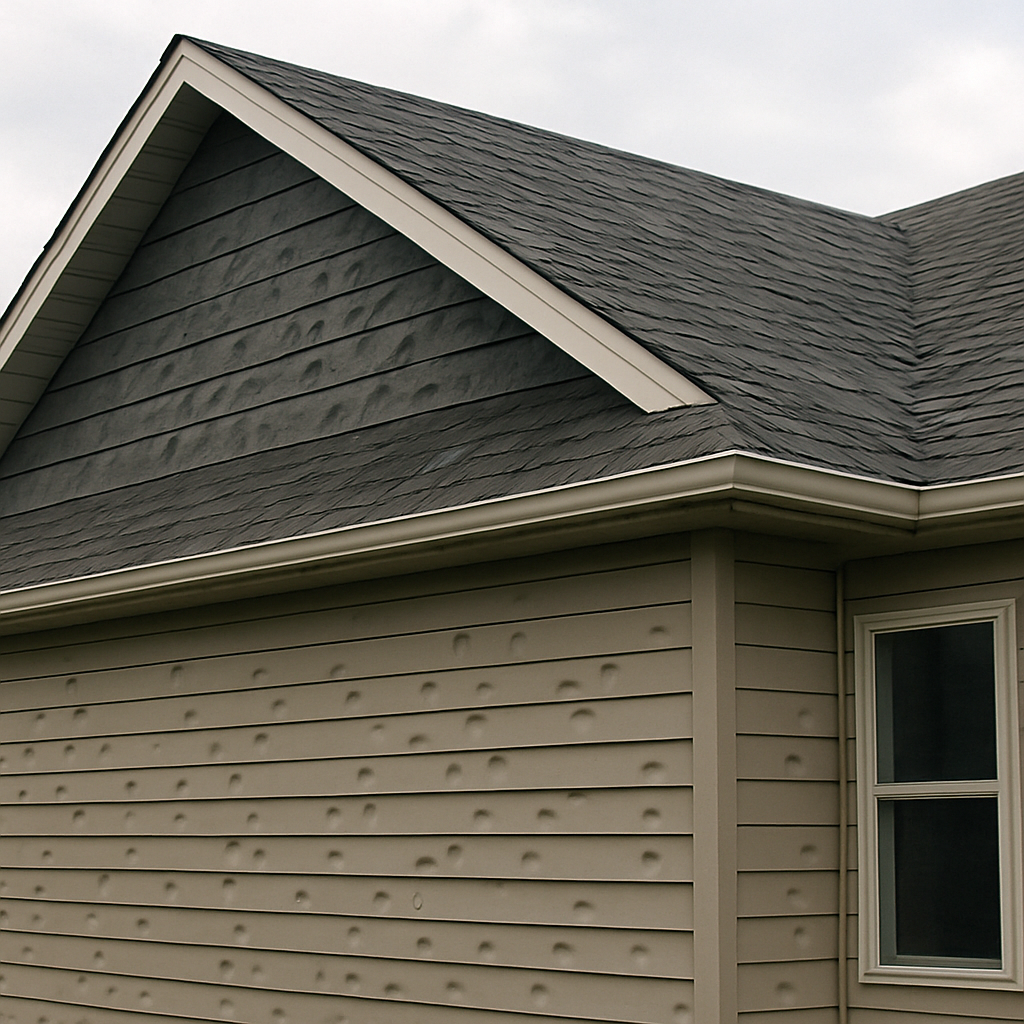
Hail damage can look small at first. A few dents, missing granules, cracked shingles, or damaged gutters may not seem urgent. But once water starts getting under the roof surface, the cost can grow fast.
For many homeowners, the biggest question is simple: what is the average hail damage repair cost in 2026? The answer depends on the size of the property, the type of roof, the level of damage, and how well the damage is documented before the insurance claim is filed.
What Is the Average Hail Damage Repair Cost in 2026?
In 2026, the average hail damage repair cost can range from a few hundred dollars for minor repairs to several thousand dollars for major roof or exterior damage. Some homeowners may only need small shingle repairs, while others may need a full roof replacement if the hail caused widespread damage.
A general cost range may look like this:
- Minor hail repairs: $300 to $1,500
- Moderate roof or exterior repairs: $1,500 to $8,000
- Severe hail damage or roof replacement: $8,000 to $25,000 or more
The average cost to repair hail damage can also increase when the damage affects gutters, siding, windows, skylights, vents, fascia, or interior areas caused by leaks.
This is why a proper hail damage assessment is so important. What looks like a simple roof issue from the ground may actually involve hidden damage that needs professional review.
Why Hail Repair Cost Can Vary So Much
There is no one-size-fits-all price for hail damage repairs. Two homes on the same street can have different repair costs after the same storm.
Several factors can affect the final hail repair cost, including:
- Roof size and pitch
- Roofing material
- Age and condition of the roof
- Size of the hailstones
- Wind speed during the storm
- Damage to gutters, siding, or windows
- Local labor and material costs
- Insurance policy limits and deductibles
For example, asphalt shingles may cost less to repair than tile, slate, or metal roofing. A steep roof may also cost more because it requires more labor and safety equipment. If hail damage causes leaks inside the home, the claim may also include ceiling stains, drywall damage, insulation issues, or mold concerns.
Common Signs of Hail Damage Homeowners Should Watch For
Hail damage is not always easy to see. Some damage is obvious right away, while other signs may show up weeks or months later.
After a hailstorm, homeowners should look for:
- Dented gutters or downspouts
- Missing shingle granules
- Cracked, bruised, or lifted shingles
- Dents on metal roof vents or flashing
- Water stains on ceilings or walls
- Damaged window screens
- Cracked siding or exterior paint marks
Avoid climbing onto the roof yourself, especially after a storm. Wet roofing materials, loose shingles, and hidden soft spots can be dangerous. It is safer to request a professional inspection and document anything you can see from the ground.
Why a Hail Damage Assessment Matters
A hail damage assessment helps determine the real scope of damage before the claim moves forward. This step can make a major difference in the outcome of your insurance claim.
Insurance companies may send their own adjuster to inspect the property. However, that adjuster works for the insurance company. Their job is to review the claim based on the insurer’s process and policy guidelines.
A public adjuster works for the policyholder. CCA Public Adjusters helps homeowners document the damage, review the insurance policy, and prepare the claim so the insurance company has a clearer picture of the full loss.
A strong assessment may include photos, written notes, roof condition details, storm-related damage findings, and repair scope documentation. This can help reduce the risk of missed damage, low estimates, or claim disputes.
What Should Be Included in a Hail Damage Estimate?
A proper hail damage estimate should be detailed. It should not only list a basic repair number. It should explain what needs to be repaired, what materials are involved, and why the damage is related to the storm.
A strong estimate may include:
- Roof repair or replacement scope
- Gutter and downspout damage
- Flashing, vent, and skylight damage
- Siding or exterior damage
- Interior water damage, if present
- Labor and material costs
- Cleanup and disposal costs
- Code upgrade requirements, if applicable
The more complete the estimate is, the easier it is to compare it with the insurance company’s offer. If the insurance estimate is too low or leaves out important repairs, homeowners may have the right to challenge it.
Does Home Insurance Cover Hail Damage?
Many homeowners insurance policies cover sudden and accidental storm damage, including hail. However, coverage depends on the policy.
Some policies may include exclusions, high wind or hurricane deductibles, cosmetic damage limitations, or actual cash value terms for older roofs. This means the insurance company may not always pay the full replacement cost.
Before accepting a settlement, homeowners should review:
- Their deductible
- Roof coverage terms
- Exclusions or limitations
- Replacement cost vs. actual cash value coverage
- Deadlines for filing claims
- Requirements for documentation
If the language feels confusing, a public adjuster can review the policy and explain what may apply to the damage.
Why Insurance Estimates May Be Lower Than Expected
Many homeowners are surprised when the first insurance estimate is lower than the contractor’s estimate. This can happen for several reasons.
The insurance adjuster may miss hidden damage, use lower pricing, overlook code requirements, or separate storm damage from wear and tear. In some cases, the insurance company may approve only a small repair when the roof has broader damage.
This is one reason homeowners should avoid rushing to accept the first offer. Once you accept a settlement, it may become harder to recover additional funds unless the claim is properly reopened or supplemented.
CCA Public Adjusters can help review the insurance estimate and compare it with the actual damage found during the inspection.
Steps to Take After Hail Damages Your Home
After a hailstorm, quick action can help protect your home and your claim.
Start with these steps:
- Take photos and videos of visible damage from the ground.
- Save photos of hailstones if possible.
- Check ceilings, walls, and attic areas for leaks.
- Prevent further damage with temporary protection if safe.
- Avoid signing repair contracts too quickly.
- Request a professional hail damage assessment.
- Review your policy before filing or accepting a claim offer.
These steps can help you stay organized and avoid common claim mistakes.
When Should You Call a Public Adjuster?
You should consider calling a public adjuster if the damage is more than minor, if the insurance estimate seems too low, or if you are unsure what your policy covers.
A public adjuster can be especially helpful when:
- Your roof has widespread hail damage
- The insurance company denies part of the claim
- The repair estimate is much higher than the insurance offer
- There is hidden water damage
- You feel pressured or confused by the claims process
CCA Public Adjusters helps homeowners with hail insurance claims, roof leaks, storm damage, water damage, mold damage, fire damage, plumbing leak claims, and other property damage claims.
Final Thoughts
The average hail damage repair cost in 2026 depends on the condition of your home, the severity of the storm, and the quality of the damage documentation. Some repairs may be simple, but others can turn into costly roof, siding, gutter, or interior restoration projects.
Before accepting an insurance settlement, make sure the damage has been fully inspected and properly documented. A complete hail damage assessment and accurate hail damage estimate can help protect your home and your claim.
If your home has hail damage, CCA Public Adjusters can help you understand your policy, document your loss, and work toward a fair settlement. Call (321) 306-6844 or email info@ccauaa.com today to schedule a claim review.
- Firm License Number: W874722
- State License Number: D029924