
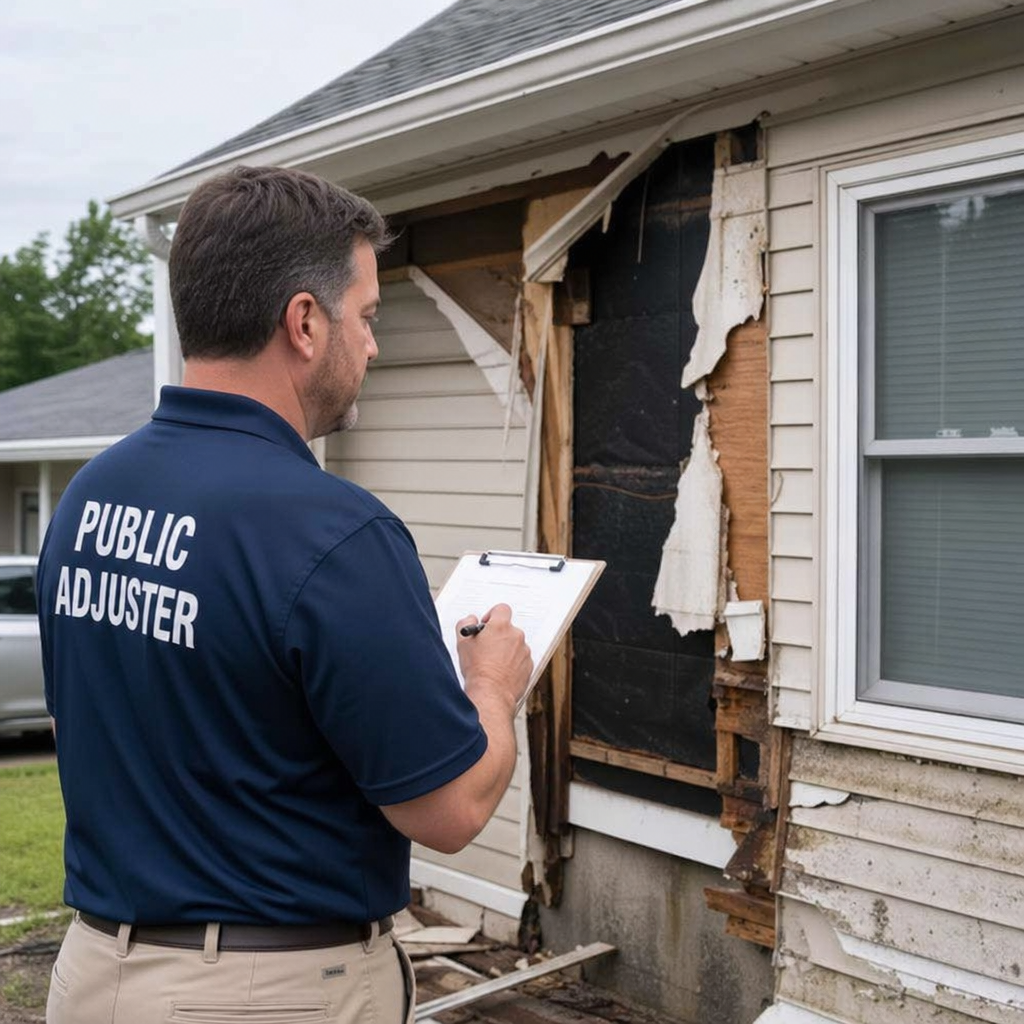
Property damage can leave homeowners and business owners overwhelmed long before insurance negotiations even start. Whether your property was affected by a hurricane, flooding, wind, fire, or another covered event, the outcome of your insurance claim often depends on what happens before the first settlement offer is made. This guide outlines how NC public adjusters evaluate property damage before negotiations begin so you understand each step that strengthens your claim.
This is why experienced NC public adjusters spend significant time evaluating every aspect of a property loss before entering negotiations with an insurance company. A thorough damage assessment creates the foundation for a stronger claim and helps policyholders pursue the compensation they are entitled to receive under their insurance policy.
At CCA Public Adjusters, our licensed professionals represent policyholders, not insurance companies. With more than 40 years of combined experience in insurance adjusting, restoration, and construction, we help property owners throughout North Carolina, Florida, and South Carolina document losses accurately and negotiate from a position of strength. We serve communities statewide, and our public adjusters Charlotte NC team provides responsive, local assistance to policyholders who need on-the-ground guidance.
Why the Initial Property Evaluation Matters
Many property owners assume an insurance claim begins when the carrier sends its adjuster to inspect the damage. In reality, one of the biggest advantages of hiring a public adjuster is having an independent expert perform a comprehensive evaluation before negotiations begin.
Insurance company adjusters work for the insurer. Public adjusters—often called public claims adjusters—work exclusively for policyholders.
The purpose of a professional damage evaluation is to:
- Identify every covered loss
- Document visible and hidden damage
- Calculate accurate repair or replacement costs
- Review policy coverage
- Build evidence that supports maximum recovery
Without this preparation, many legitimate damages may never become part of the insurance claim.
Step One: Understanding the Cause of Loss
Every successful claim starts with determining exactly what caused the damage. Different events trigger different portions of an insurance policy, making the cause of loss one of the most important factors during claim preparation.
NC public adjusters investigate losses resulting from:
- Hurricane damage
- Windstorms
- Hail
- Fire and smoke
- Water intrusion
- Plumbing failures
- Roof leaks
- Mold damage (when covered)
For example, a hurricane may damage roofing materials, windows, siding, insulation, electrical systems, and interior finishes simultaneously. Rather than treating these as isolated issues, experienced adjusters evaluate how each type of damage relates to the covered event.
Step Two: Conducting a Complete Property Inspection
A professional inspection goes far beyond taking a few photographs. Public adjusters inspect both obvious and less visible areas that commonly suffer damage after severe weather or water intrusion.
These inspections often include:
- Roofing systems
- Attics
- Structural framing
- Exterior siding
- Windows and doors
- Flooring
- Drywall
- Ceilings
- HVAC systems
- Plumbing systems
- Electrical components
- Cabinets
- Personal property
- Detached structures
Many losses remain hidden until moisture meters, thermal imaging, or specialized inspection techniques reveal damage that cannot be seen with the naked eye.
This level of detail becomes especially important after major storms or hurricane events, where water intrusion may continue causing damage weeks after the initial incident.
Step Three: Documenting Every Loss
Insurance companies rely heavily on documentation. Before negotiations begin, NC public adjusters create extensive records of the property’s condition, including:
- High-resolution photographs
- Detailed inspection notes
- Room-by-room inventories
- Measurements
- Moisture readings
- Repair estimates
- Contractor reports when necessary
The objective is to create clear evidence supporting every portion of the claim.
This documentation reduces disputes later in the claims process and provides substantial support if the insurance carrier questions the extent of damages.
Step Four: Reviewing the Insurance Policy
Even significant property damage does not automatically determine what an insurance company will pay. Coverage depends on the language contained within the insurance policy.
Public adjusters carefully review:
- Covered perils
- Exclusions
- Deductibles
- Replacement cost provisions
- Actual cash value clauses
- Coverage limits
- Additional living expense provisions
- Endorsements
Understanding policy language allows adjusters to determine which damages may qualify for reimbursement while ensuring no available coverage is overlooked.
This policy review is one of the reasons experienced public adjusters frequently identify benefits policyholders never realized they had.
Step Five: Estimating the Full Cost of Repairs
One of the most common reasons insurance claims become disputed is differing opinions regarding repair costs. Public adjusters prepare detailed estimates using industry-standard pricing methods and current construction costs.
Their estimates typically account for:
- Demolition
- Structural repairs
- Roofing replacement
- Interior restoration
- Electrical work
- Plumbing repairs
- Flooring
- Painting
- Mold remediation when applicable
- Code upgrades if covered
Construction costs continue changing throughout North Carolina and neighboring states.
Accurate pricing helps ensure negotiations reflect current market conditions rather than outdated estimates.
Hidden Damage Can Change the Entire Claim
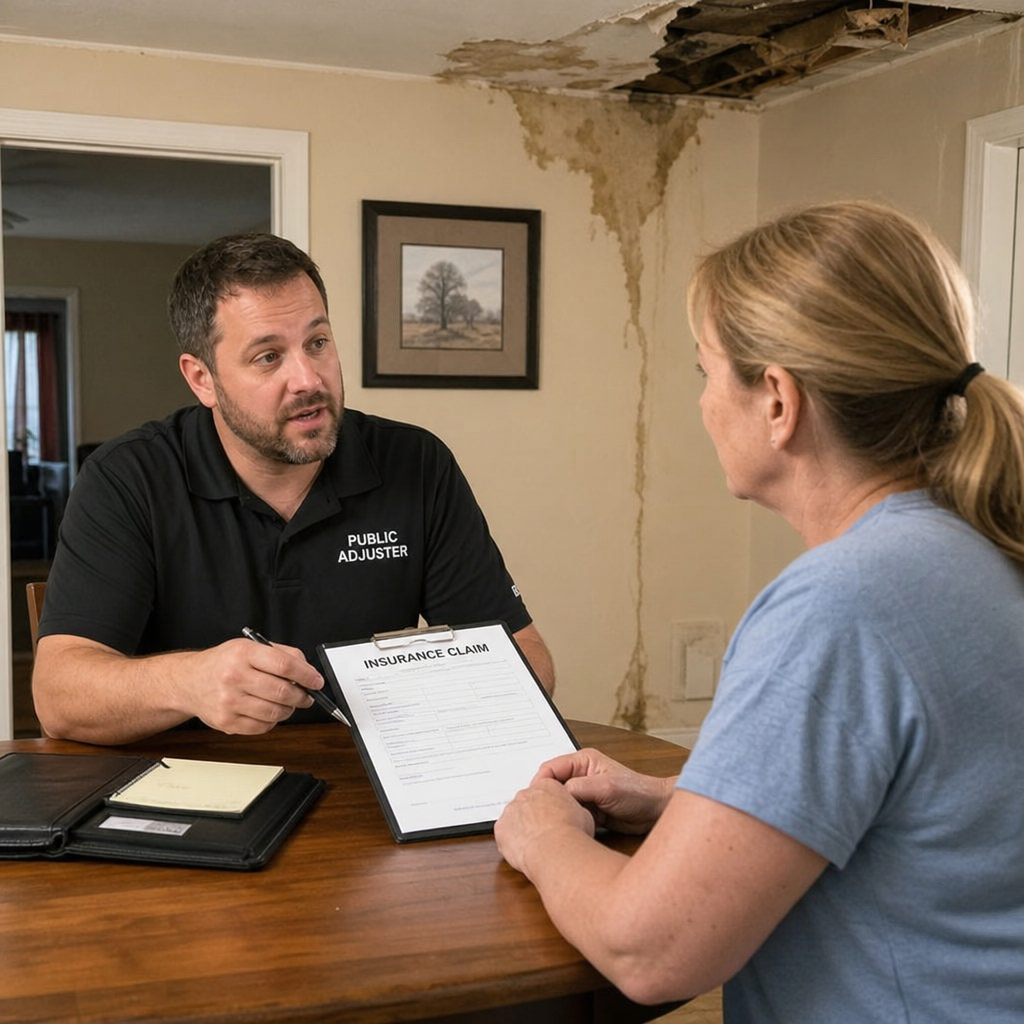
Some of the most expensive damage is not immediately visible after a disaster. Water can travel behind walls, beneath flooring, inside insulation, and throughout structural framing before obvious signs appear.
Likewise, hurricane-force winds may compromise roofing systems without causing immediate leaks.
Experienced adjusters know where to look for these hidden problems.
They may identify:
- Moisture trapped inside walls
- Roof decking damage
- Structural movement
- Mold growth
- Electrical hazards
- Damaged insulation
- Foundation concerns
Failing to identify hidden damage early can result in incomplete settlements that leave homeowners paying significant repair costs out of pocket.
Preparing for Hurricane Damage Claims
North Carolina experiences hurricanes, tropical storms, and severe weather that can produce extensive property damage.
Proper evaluation becomes especially important for hurricane damage claims, where multiple types of damage may occur simultaneously.
A hurricane-related inspection often includes evaluation of:
- Wind damage
- Roof uplift
- Broken windows
- Water intrusion
- Fallen trees
- Structural movement
- Interior moisture damage
- Exterior building envelope failures
Insurance companies may initially focus on the most visible damage.
Public adjusters work to identify the full scope of losses so negotiations are based on the complete picture rather than only the obvious repairs.
Why Professional Evaluation Improves Negotiations
Negotiating with an insurance company is much easier when every claim element is supported by evidence.
Rather than relying on estimates alone, public adjusters enter negotiations with:
- Comprehensive inspection reports
- Policy analysis
- Professional repair estimates
- Extensive photographic documentation
- Supporting contractor information
- Detailed inventories
This preparation often reduces disagreements while strengthening the policyholder’s position throughout the settlement process.
Work With Experienced NC Public Adjusters
If your home or commercial property has suffered storm, hurricane, water, fire, or other covered damage, having an experienced public adjuster evaluate the loss before negotiations begin can make a significant difference.
At CCA Public Adjusters, we proudly represent policyholders throughout North Carolina, Florida, and South Carolina. Our experienced team provides one-on-one attention, comprehensive property inspections, policy reviews, and skilled claim negotiations designed to help clients pursue fair insurance settlements.
- Call: (321) 306-6844
- Email: info@ccauaa.com
- Firm License Number: W874722