
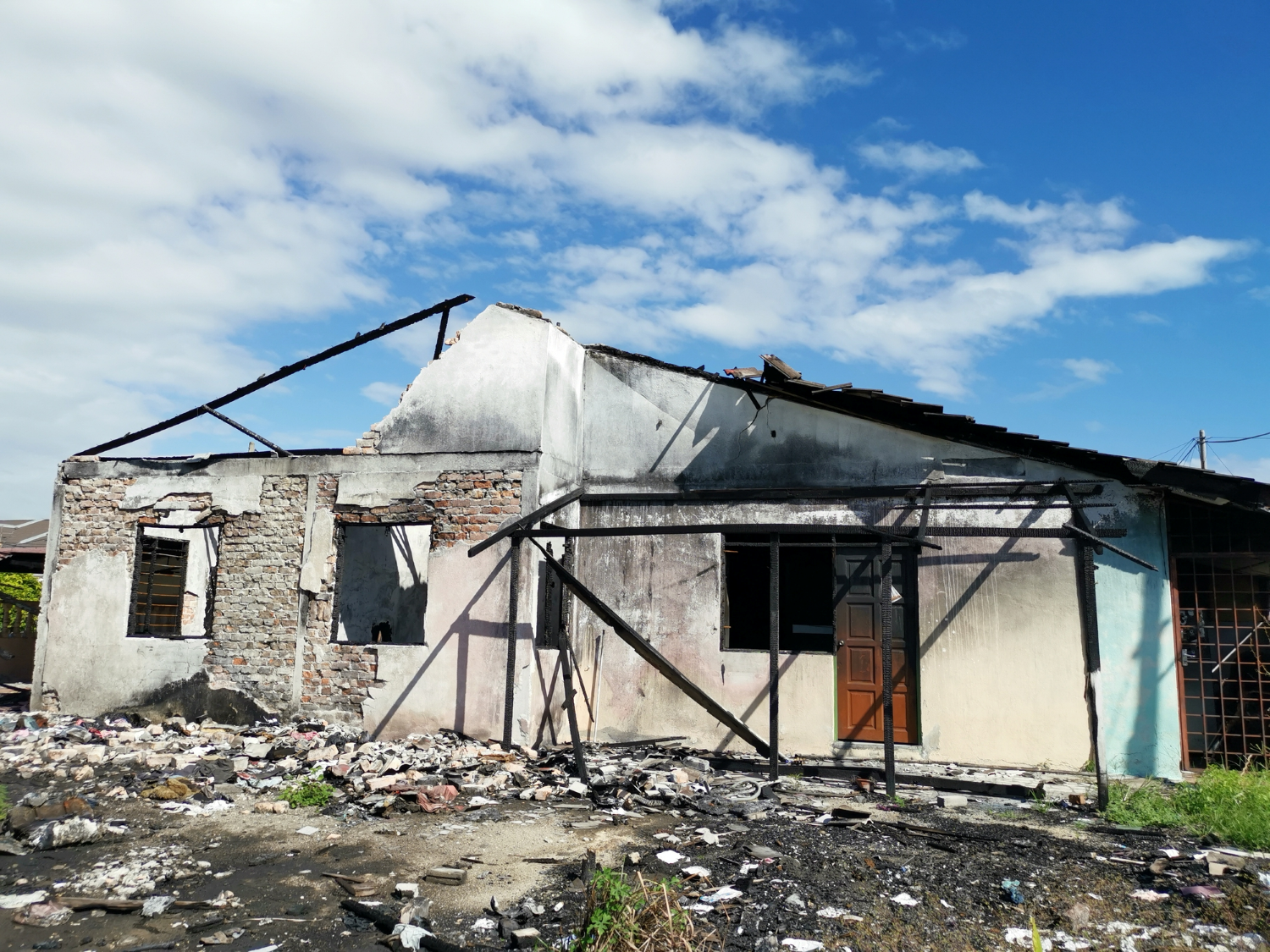
When disaster strikes and our home goes up in flames, it’s natural to feel overwhelmed and uncertain about the future. As we stand amidst the ashes of our cherished memories, burning questions arise: what happens if your house burns down? My house burned down – now what? In this comprehensive guide, we’ll walk you through the intricate process of navigating insurance claims, rebuilding your life, and rising from the ashes like a phoenix reborn.
The Immediate Aftermath: First Steps After a House Fire
When the unthinkable happens, knowing your first moves can make all the difference.
Ensuring Safety and Securing Temporary Housing
Our first priority after a house fire is ensuring the safety of ourselves and our loved ones. Once the immediate danger has passed, we need to secure temporary housing. Many insurance policies include coverage for additional living expenses, which can help us find a place to stay while we sort out the next steps.
Contacting Your Insurance Company
As soon as it’s safe to do so, we should contact our insurance company to report the fire and initiate the claims process. This prompt action sets the wheels in motion for our recovery journey.
Understanding Your Insurance Coverage
Decoding your insurance policy is crucial for navigating the aftermath of a house fire.
Types of Coverage in a Standard Homeowners Policy
Most homeowners insurance policies provide coverage for fire damage, but the extent of coverage can vary. Let’s break down the typical components:
- Dwelling coverage: Repairs or rebuilds the structure of our home
- Personal property coverage: Replaces our belongings
- Loss of use coverage: Pays for temporary living expenses
- Liability coverage: Protects us if the fire spreads to neighboring properties
It’s crucial to review our policy carefully to understand the limits and exclusions. Some policies may have specific provisions for fire damage, while others might treat it as part of general coverage.
The Claims Process: A Step-by-Step Guide
Understanding the claims process empowers us to navigate it effectively and efficiently.
1. Filing the Initial Claim
We’ll need to provide our insurance company with basic information about the fire, including the date, time, and suspected cause (if known).
2. Meeting with the Insurance Adjuster
An adjuster will be assigned to assess the damage. They’ll visit the property, take photographs, and gather information to determine the extent of the loss.
3. Documenting the Loss
We should create a detailed inventory of lost or damaged items. This can be a daunting task, but it’s essential for ensuring we receive fair compensation.
4. Obtaining Repair Estimates
If our home can be repaired, we’ll need to get estimates from contractors. The insurance company may have preferred vendors, but we generally have the right to choose our own.
5. Negotiating the Settlement
Based on the adjuster’s assessment and our documentation, the insurance company will offer a settlement. We may need to negotiate to ensure all our losses are adequately covered.
Rebuilding or Relocating: What Are Our Options?
After a fire, we’re faced with crucial decisions about our future living situation.
If My House Burns Down, Do I Have to Rebuild?
One of the most common questions we face is, “if my house burns down do I have to rebuild?” The answer isn’t always straightforward. While many policies are designed with rebuilding in mind, we often have other options:
- Rebuilding on the same site
- Buying a new home elsewhere
- Accepting a cash settlement
Each option has its pros and cons, and the choice depends on our personal circumstances, policy terms, and local regulations. For those in Florida, North Carolina, or South Carolina, there may be specific state laws or insurance practices to consider.
Factors to Consider When Deciding
- Emotional attachment to the location
- Cost of rebuilding vs. buying a new property
- Changes in zoning laws or building codes
- Personal life changes (e.g., downsizing, relocating for work)
What Happens to Your Mortgage If Your House Burns Down?
Even when our house is gone, our financial obligations often remain.
Insurance Payouts and Mortgage Obligations
Most insurance settlements for the dwelling will be paid jointly to us and our mortgage lender. The lender has a vested interest in ensuring the property is repaired or the loan is paid off.
Options for Mortgage Handling
- Continue making payments while rebuilding
- Use the insurance payout to pay off the mortgage
- Negotiate with the lender for temporary payment relief
Open communication with our mortgage lender is crucial. They may offer options such as forbearance or loan modification to help us through this challenging time.
Replacing Personal Property: More Than Just Stuff
Replacing our personal belongings is often one of the most emotionally challenging aspects of recovering from a house fire. To ensure we receive fair compensation, we need to create a detailed inventory of lost items.
Tips for Documenting Personal Property
- Use digital tools or apps designed for home inventories
- Include photographs or videos of rooms and valuable items
- Keep receipts and appraisals for high-value items
- Don’t forget items stored in attics, basements, or off-site storage
Many policies offer replacement cost coverage for personal property. This means we can replace items with new ones of similar quality, rather than receiving a depreciated value.
Dealing with Emotional Trauma
Losing our home to fire is more than a financial loss—it’s an emotional upheaval. We may experience:
- Grief for lost possessions and memories
- Anxiety about the future
- Stress from the claims and rebuilding process
- Trauma from the fire itself
Seeking Support and Professional Help
It’s important to acknowledge these feelings and seek support. This might include:
- Talking with friends and family
- Joining support groups for fire survivors
- Seeking professional counseling or therapy
Finding Silver Linings
While it may seem impossible at first, many fire survivors find unexpected positives in their experience:
- Strengthened family bonds
- A fresh start with a new home design
- Increased appreciation for non-material aspects of life
Preventing Future Fires: Lessons Learned
A house fire can teach us valuable lessons about fire safety and prevention. As we rebuild or move into a new home, we have the opportunity to incorporate advanced fire safety features:
- Hardwired smoke and carbon monoxide detectors
- Fire-resistant building materials
- Sprinkler systems
- Improved electrical systems
Updating Our Insurance Coverage
After experiencing a fire, we’ll have a new perspective on our insurance needs. We should review our policy to ensure:
- Adequate coverage limits
- Appropriate riders for high-value items
- Understanding of policy terms and conditions
When Insurance Falls Short: Dealing with Underinsurance
Sometimes our insurance coverage may not be enough to fully recover from a fire.
Recognizing the Signs of Underinsurance
- Policy limits that don’t match current rebuilding costs
- Exclusions for certain types of personal property
- Inadequate coverage for code upgrades or debris removal
Options for Bridging the Gap
If we find ourselves underinsured, we may need to explore options such as:
- Personal loans or home equity lines of credit
- Assistance from disaster relief organizations
- Negotiating with contractors for phased rebuilding
Legal Considerations: When to Seek Professional Help
While most claims are settled smoothly, disputes can arise. We may need legal assistance if:
- The insurance company denies our claim
- We believe the settlement offer is unfair
- There are disagreements about policy interpretation
If the fire spread to neighboring properties or caused injuries, we may face liability claims. Our insurance should provide coverage, but legal guidance can be crucial.
The Road to Recovery: A Journey of Resilience
Recovering from a house fire is a journey that can ultimately lead to personal growth and resilience. As we navigate the long process of recovery, it’s important to celebrate small victories:
- Finalizing the insurance settlement
- Breaking ground on rebuilding
- Moving back into our restored or new home
Reflecting on the Experience
Surviving a house fire and navigating the insurance process can be a transformative experience. Many of us find that we emerge stronger, more resilient, and with a deeper appreciation for what truly matters in life.
Conclusion: Rising from the Ashes
When we face the devastation of a burnt down house, our insurance becomes a lifeline to recovery. By understanding our coverage, navigating the claims process, and making informed decisions about rebuilding or relocating, we can turn a disaster into an opportunity for a fresh start.
If you need assistance with your fire damage claim, don’t hesitate to seek professional help to ensure you receive the compensation you deserve. That’s where CCA Public Adjusters comes in. With over 40 years of combined experience in insurance adjusting, restoration, and construction, we ensure you receive the compensation you deserve.
Based in Orlando and serving all of Florida, our team has extensive expertise and certifications in restoration and construction. Take advantage of our FREE claim analysis and FREE one-on-one, no-obligation consultation. Contact us today at (407) 516-7277 or info@ccauaa.com. Let us put our knowledge to work for you and secure the fair compensation you need to rebuild your life.