
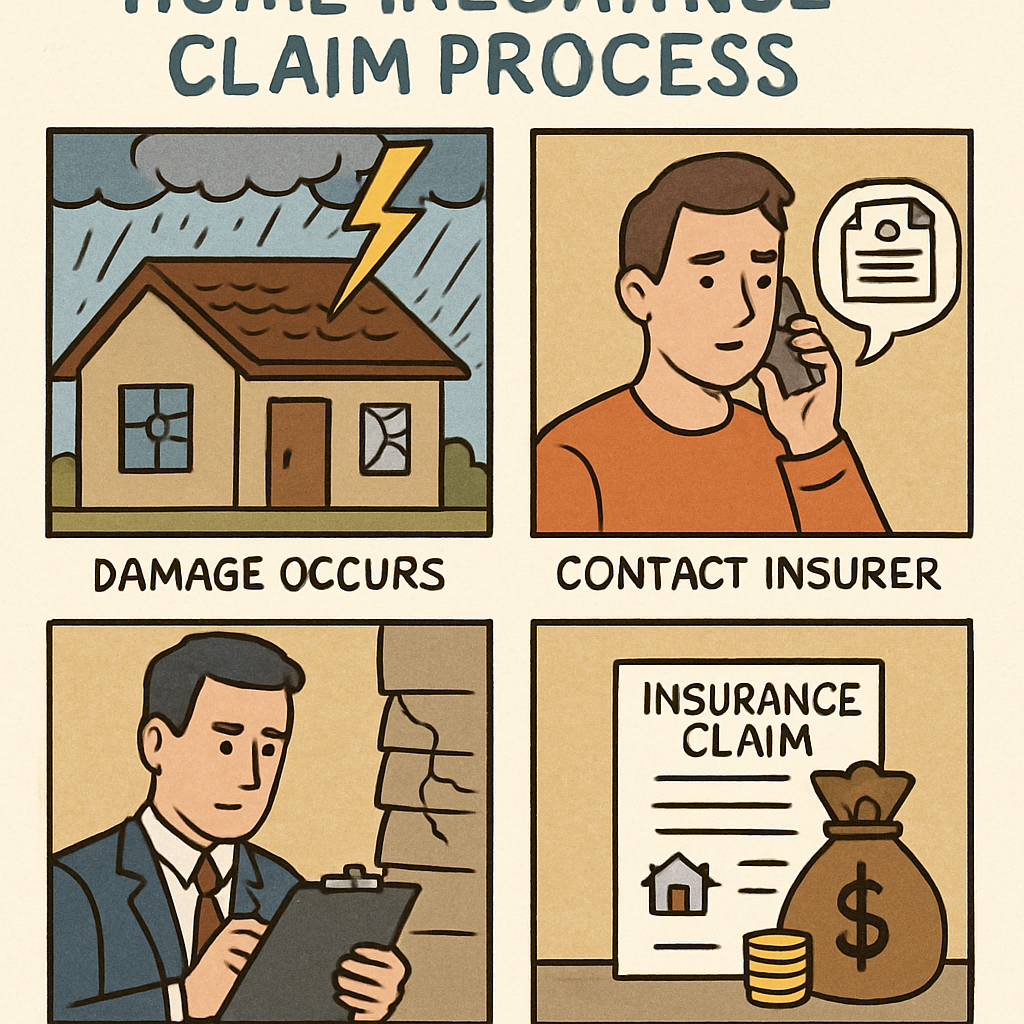
Yes, insurance may cover residential treatment, but approval is never guaranteed.
Many homeowners assume their policy will automatically pay for repairs after damage. That is not always how it works. Insurance companies review every claim closely, and small gaps in documentation or timing can lead to delays, underpayment, or denial.
Understanding how residential treatment insurance coverage works can make the difference between a partial payout and a full recovery.
What Does Residential Treatment Mean in Property Insurance?
In property claims, residential treatment refers to the repair, restoration, and remediation of your home after damage.
This includes services like fixing water damage, removing mold, repairing fire and smoke damage, and restoring structural issues caused by storms or leaks.
These are not optional fixes. They are necessary to bring your home back to a safe and livable condition. Whether your insurance coverage pays for them depends on how the claim is handled from the start.
Does Insurance Cover Residential Treatment?
In many cases, yes. But it depends on how the damage happened and how the claim is presented.
Most homeowners insurance policies cover sudden and unexpected damage. This can include storm damage, burst pipes, fire incidents, or roof leaks caused by covered events.
However, insurance companies do not simply approve claims based on what happened. They look at the details. They assess the cause, the extent of damage, and whether the repairs fall within your policy limits.
That is why two similar claims can have very different outcomes.
What Impacts Residential Treatment Insurance Coverage?
The biggest factor is the cause of damage.
If the issue is sudden, like a hurricane or a pipe bursting, there is a higher chance your insurance coverage will apply. But if the damage developed over time, such as a slow leak or poor maintenance, the claim may be denied.
Documentation is another major factor.
Insurance companies rely on clear evidence. If the damage is not properly recorded with photos, reports, and estimates, they may reduce or reject the payout. This is one of the most common reasons claims fall short.
Timing also matters more than most people expect.
Delays in filing a claim can raise red flags. The longer you wait, the easier it is for the insurance company to argue that the damage worsened due to inaction.
How Much Will Insurance Actually Pay?
Even when a claim is approved, it does not mean everything is covered.
Most policies include deductibles, limits, and exclusions. Some may cap how much they pay for certain types of repairs, especially for mold or water damage.
In many cases, homeowners receive an initial offer that does not fully reflect the true cost of repairs. This is where understanding your residential treatment insurance coverage becomes critical.
Why Claims Get Denied or Underpaid
Insurance companies do not always deny claims outright. Sometimes they approve them but reduce the payout significantly.
This often happens when:
- The damage is labeled as preventable
- The scope of repairs is underestimated
- Key documentation is missing
- The claim process is not followed correctly
These issues can quietly cost homeowners thousands of dollars.
What to Do If Your Claim Is Denied or Underpaid
A denial or low offer is not the end of the road.
Start by reviewing the reason behind the decision. Insurance companies must explain why they reduced or denied your claim.
From there, you can take action. This may involve submitting additional documentation, requesting a reassessment, or challenging the original estimate.
Many homeowners reach this point and realize the process is more complex than expected. This is where having someone who understands insurance coverage and the claims process can make a real difference.
How to Improve Your Chances of Full Coverage
The way your claim is handled early on can shape the final outcome.
Document everything as soon as the damage occurs. Take clear photos, note timelines, and keep records of all communication.
Get a detailed inspection and a proper estimate. Vague or incomplete reports often lead to reduced payouts.
Act quickly. Delays can weaken your position and give the insurance company room to question the claim.
These steps may seem simple, but they directly impact how your residential treatment insurance coverage is evaluated.
When Residential Treatment Becomes Urgent
There are situations where waiting is not an option.
Water damage can spread behind walls. Mold can grow quickly. Roof leaks can lead to structural issues. Fire damage can affect air quality and safety.
In these cases, residential treatment is not just a repair. It is necessary to prevent further damage and protect your home.
The challenge is making sure your insurance coverage recognizes the full scope of what needs to be done.
Final Thoughts
So, does insurance cover residential treatment?
Yes, but only when the claim is properly supported, clearly documented, and aligned with your policy.
The difference between a partial payout and a full recovery often comes down to how the claim is handled, not just what the policy says.
Need Help With Your Insurance Claim?
If your claim has been delayed, denied, or underpaid, you are not alone.
Insurance companies have their own process. You deserve someone who understands how to push back and protect your claim.
CCA Public Adjusters helps homeowners:
- Reviewing your policy and identifying coverage gaps
- Documenting damage correctly
- Challenging low insurance estimates
- Maximizing your final settlement
CCA Public Adjusters is fully licensed and operates with:
- Firm License Number: W874722
- State License Number: D029924
Visit CCA Public Adjusters or call (407) 516-7277 or email info@ccauaa.com to speak with a professional who can help you move your claim forward.