
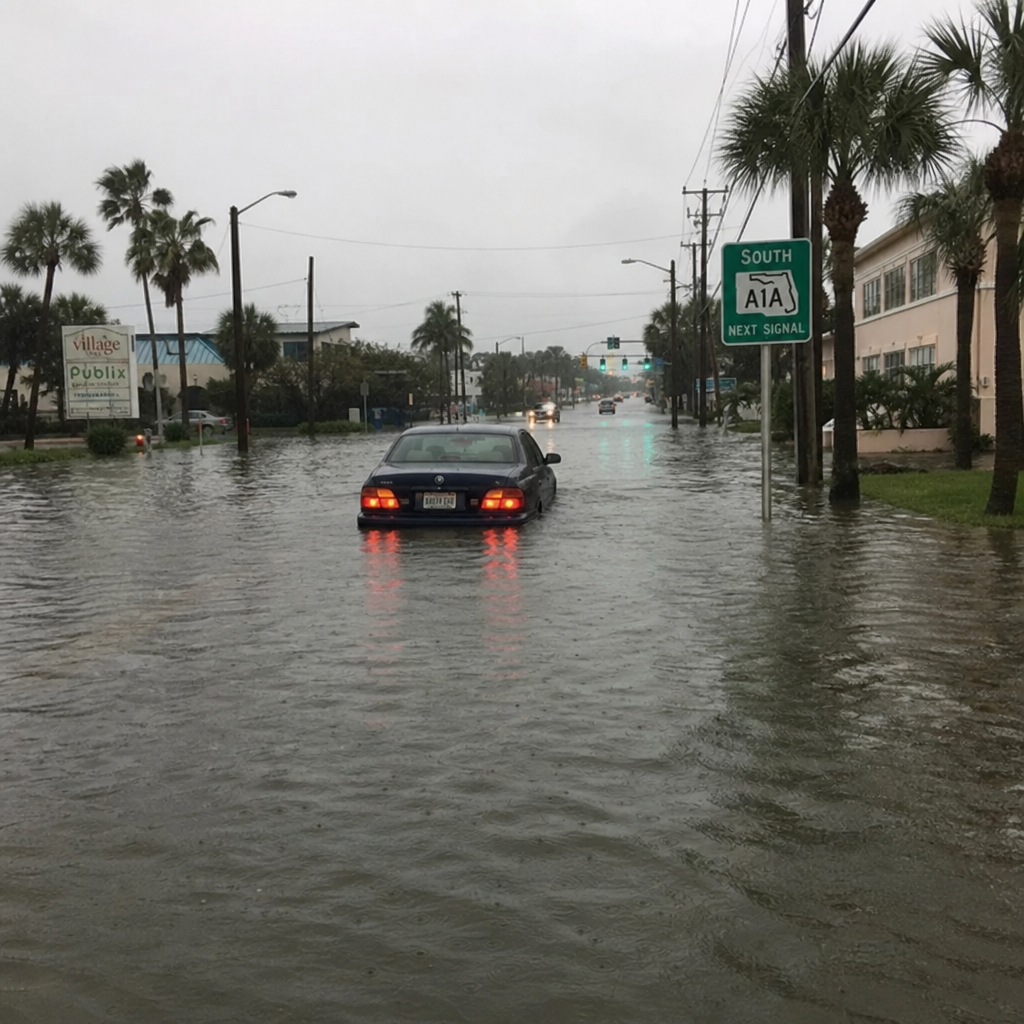
Flood damage can disrupt your home, business, and finances in a matter of hours, but recovering through an insurance claim often takes much longer. One of the first questions many Florida property owners ask after a flood is, “How long will my insurance claim take?”
Unfortunately, there is no single timeline. Every flood damage insurance claim Florida homeowners file depends on several factors, including the extent of the damage, the insurance policy, how quickly documentation is submitted, and whether the insurance company disputes any part of the claim.
At CCA Public Adjusters, we understand that waiting for a settlement can be frustrating, especially when repairs cannot begin until your claim moves forward. With more than 40 years of combined experience in insurance adjusting, restoration, and construction, our licensed public adjusters work directly for policyholders, not insurance companies to help maximize settlements while guiding clients through every stage of the claims process.
Understanding the Typical Timeline for a Flood Damage Insurance Claim
Most flood insurance claims follow several stages before a final settlement is issued. While straightforward claims may be resolved in a matter of weeks, larger or more complex losses can take several months.
A typical claim includes:
- Reporting the loss
- Scheduling the inspection
- Damage documentation
- Estimate preparation
- Policy review
- Negotiations
- Claim approval
- Payment and repairs
Each stage can affect how quickly your claim is resolved.
Step 1: Report the Flood Damage Immediately
The sooner you notify your insurance carrier after flood damage occurs, the sooner the claims process can begin.
Property owners should:
- Photograph all affected areas before cleanup.
- Prevent additional damage when it is safe to do so.
- Save damaged personal belongings whenever possible.
- Keep receipts for emergency expenses.
Prompt reporting helps establish a clear timeline and preserves important evidence.
Step 2: The Property Inspection
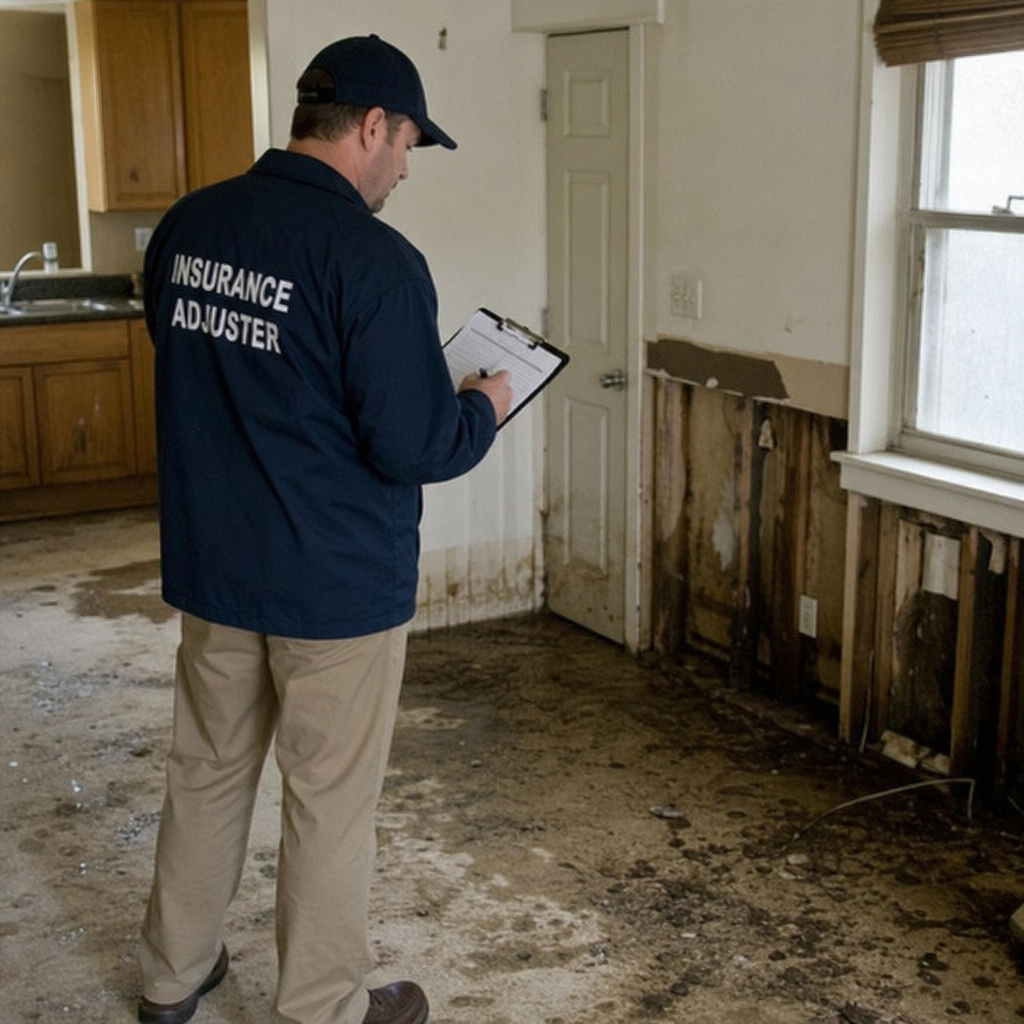
After the claim is opened, an insurance adjuster will usually inspect the property.
Depending on demand following severe weather or widespread flooding, inspections may occur within several days or may take longer if thousands of claims are filed simultaneously.
During this inspection, the adjuster evaluates:
- Structural damage
- Water intrusion
- Flooring
- Walls
- Electrical systems
- Plumbing
- Personal property
- Mechanical equipment
Having your own public adjuster present during this inspection can help ensure that all covered damage is properly documented.
Step 3: Preparing the Damage Estimate
Once the inspection is complete, the damage must be carefully documented and valued.
Professional public adjusters prepare detailed estimates using current construction pricing while documenting every covered loss. Hidden water damage, mold growth, damaged insulation, and structural concerns are often overlooked during quick inspections.
A complete estimate helps reduce disputes later during negotiations.
Step 4: Insurance Company Review
The insurance company reviews:
- Inspection reports
- Photographs
- Repair estimates
- Policy coverage
- Supporting documentation
If additional information is requested, the timeline may extend until all required documentation has been submitted.
Step 5: Negotiating the Settlement
Not every claim is accepted exactly as submitted.
If the insurer undervalues repairs or disputes portions of the loss, negotiations begin.
Experienced public adjusters negotiate directly with the carrier, using documentation, repair estimates, and policy language to pursue a fair settlement.
Claims involving extensive structural damage, commercial properties, or multiple covered losses generally require more negotiation than smaller residential claims.
Factors That Can Delay a Flood Insurance Claim
Several issues commonly extend claim timelines:
- Catastrophic weather events creating thousands of simultaneous claims
- Missing documentation
- Hidden structural damage
- Contractor estimate disputes
- Coverage questions
- Supplemental claims
- Delays in inspections
Preparation before negotiations often helps reduce unnecessary delays.
Flood Damage After Hurricanes
Many Florida floods occur after tropical storms and hurricanes.
When flood damage is accompanied by wind damage, roof failures, or storm-related structural damage, homeowners may need to pursue multiple coverages depending on their policies.
This makes hurricane damage claims more complex than many standard property claims.
Proper documentation is essential to identify which damages fall under flood coverage and which may be covered by other portions of the insurance policy.
Understanding Florida Flood Insurance
Many homeowners are surprised to learn that standard homeowners insurance typically does not cover flood damage.
Instead, flood losses are often covered through separate Florida flood insurance policies.
Understanding exactly what your policy covers before negotiations begin can help prevent unexpected surprises later in the claims process.
A professional public adjuster reviews policy language, explains available coverage, and identifies benefits that may otherwise be overlooked.
How CCA Public Adjusters Helps Policyholders
CCA Public Adjusters represents homeowners and commercial property owners throughout Florida by managing every aspect of the insurance claim.
Our team provides:
- Comprehensive property inspections
- Detailed damage documentation
- Policy reviews
- Accurate repair estimates
- Direct negotiations with insurance companies
- One-on-one guidance throughout the process
Our goal is to simplify the claims process while helping clients pursue the compensation they deserve after flood losses.
Contact CCA Public Adjusters
If your home or business has suffered flood damage, don’t navigate the insurance claims process alone. Need help with a flood insurance claim? Contact us to learn how our experienced public adjusters assist Florida property owners.
- Call: (321) 306-6844
- Email: info@ccauaa.com
- Firm License Number: W874722