
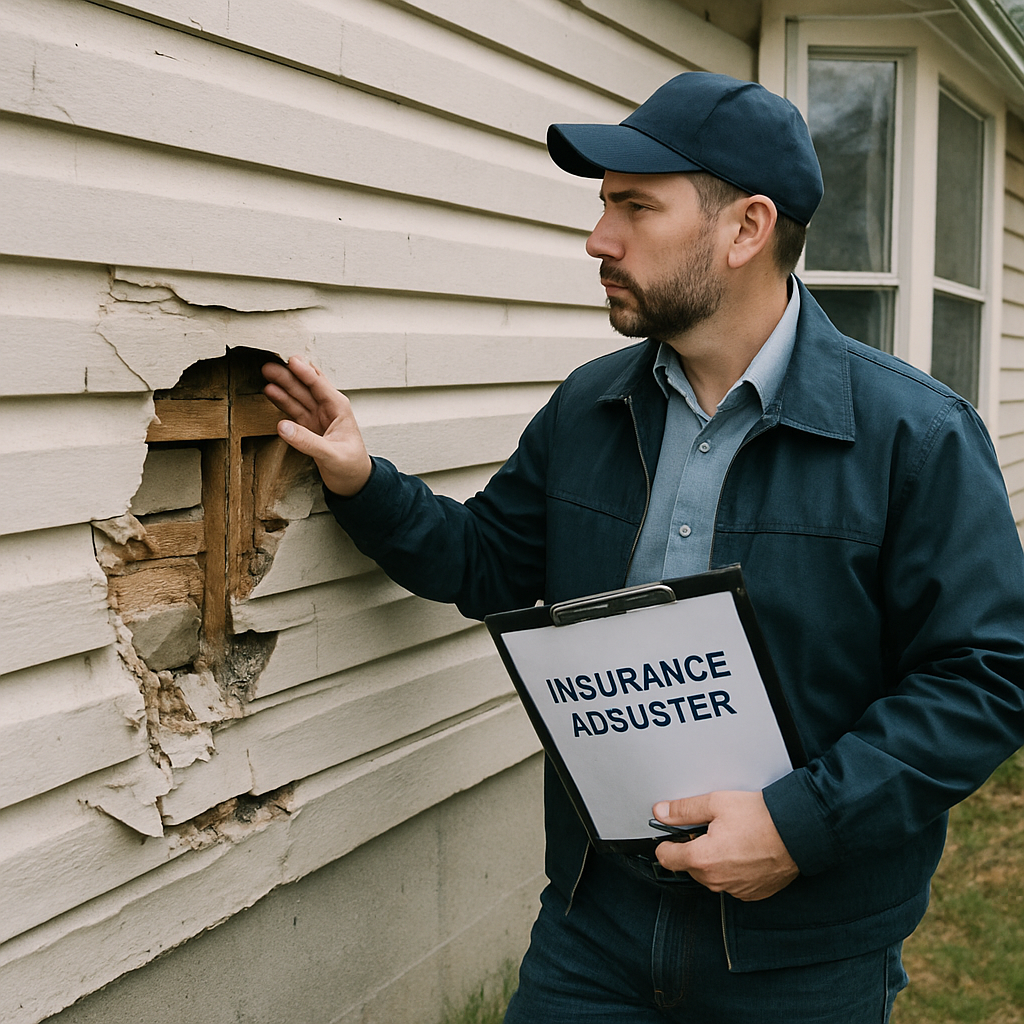
Few situations are more stressful than discovering damage to your home after a storm, fire, plumbing leak, or other unexpected event. Once you file an insurance claim, one of the first people you will likely hear from is an insurance adjuster. While adjusters play an important role in the claims process, many homeowners are unsure what to say, what documentation to provide, and how to protect their interests.
Learning how to deal with insurance adjuster for home damage can help you avoid common mistakes and improve your chances of receiving a fair settlement. The more prepared you are, the better positioned you will be when discussing your loss and reviewing claim estimates.
Understanding the Insurance Adjuster’s Role
An insurance adjuster is responsible for investigating the damage, reviewing the policy, and determining how much the insurance company may pay on a claim.
After you submit home damage claims, the adjuster will typically schedule an inspection of the property. During this visit, they will assess the visible damage, take photos, gather information, and prepare a report for the insurance company.
It is important to understand that the adjuster assigned by the insurance company works on behalf of the insurer. Their job is to evaluate the claim according to the company’s policies and procedures.
This does not mean the adjuster is your opponent, but it does mean that homeowners should carefully document their damages and fully understand their rights before accepting any settlement offer.
Stay Calm and Organized From the Beginning
The claims process often begins during an emotional time. Whether your property has suffered storm damage, water damage, fire damage, or mold issues, it is easy to feel overwhelmed.
One of the most effective ways to handle home insurance claims is to stay organized from day one.
Start by creating a dedicated folder for:
- Photos and videos of the damage
- Repair estimates
- Receipts for emergency repairs
- Correspondence with the insurance company
- Claim numbers and adjuster contact information
Keeping accurate records can help prevent misunderstandings and provide evidence if questions arise later in the claims process.
Document Everything Before the Inspection
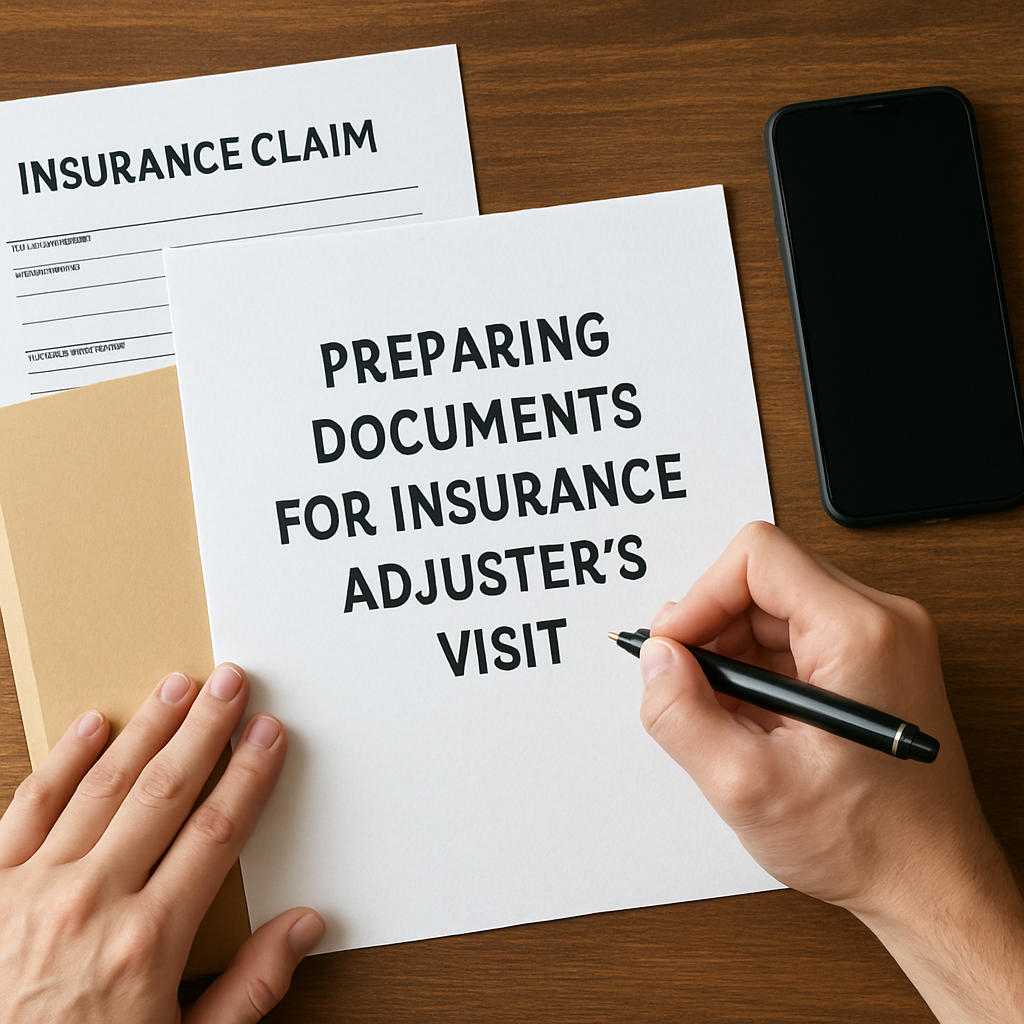
Before the adjuster arrives, take time to thoroughly document the damage yourself.
Walk through the property and photograph every affected area. Capture wide-angle photos as well as close-up images showing specific damage. If possible, record videos that show the extent of the loss.
For property damage claims, documentation is often one of the most valuable tools available to homeowners.
Pay close attention to:
- Roof damage
- Water stains on ceilings or walls
- Damaged flooring
- Broken windows
- Damaged personal belongings
- Exterior damage to siding, gutters, or fences
The more evidence you have, the easier it becomes to support your claim if disagreements arise regarding the scope of the damage.
Be Present During the Inspection
Whenever possible, attend the adjuster’s inspection.
Many homeowners assume they should simply allow the adjuster to inspect the property and wait for the results. However, being present gives you an opportunity to point out areas of concern and ensure nothing is overlooked.
As the adjuster walks through the property:
- Take notes.
- Ask questions when necessary.
- Point out all visible and known damage.
- Mention any damage that appeared after the initial event.
- Keep a record of important statements.
This is especially important for home damage claims involving hidden damage that may not be immediately visible.
For example, a roof leak could eventually lead to attic damage, insulation issues, or mold growth that may not be obvious during a brief inspection.
Avoid Guessing About the Damage
One common mistake homeowners make is providing estimates or opinions about the value of their claim before all the damage has been identified.
If the adjuster asks questions about repair costs, avoid making assumptions.
Instead, focus on explaining:
- What happened
- What damage you observed
- When the damage occurred
- Any emergency repairs completed
Let qualified contractors and professionals determine repair costs rather than guessing during conversations with the insurance company.
Review the Adjuster’s Estimate Carefully
After the inspection, the insurance company will often provide an estimate outlining what repairs they believe are covered.
Do not assume this estimate is automatically complete or accurate.
Many property damage claims involve damage that is not fully identified during the initial inspection. In some cases, repair costs may increase once contractors begin work and uncover additional issues.
Review the estimate carefully and compare it against:
- Contractor estimates
- Inspection reports
- Photographs
- Repair recommendations
Pay attention to line items, quantities, pricing, and any areas that may have been omitted entirely.
If something seems inaccurate, ask questions before accepting the settlement.
Understand Your Insurance Policy
One of the biggest challenges homeowners face is understanding what their policy actually covers.
Insurance policies contain important details regarding:
- Coverage limits
- Deductibles
- Exclusions
- Replacement cost provisions
- Actual cash value provisions
- Claim deadlines
Before discussing settlement options, take time to review your policy.
Understanding these details can help you make informed decisions throughout the home insurance claims process and prevent surprises later.
If the policy language feels confusing, professional assistance may be beneficial.
Don’t Feel Pressured to Accept the First Offer
Many homeowners assume the first settlement offer is final.
In reality, insurance estimates can sometimes be revised when additional documentation, contractor estimates, or supplemental damages are discovered.
If you believe the settlement does not fully reflect the damage, you have the right to ask questions and seek clarification.
This is particularly important when dealing with:
- Significant roof damage
- Water intrusion
- Mold-related losses
- Fire damage
- Structural concerns
Rushing to accept an offer before fully understanding the scope of repairs can leave homeowners responsible for unexpected expenses later.
Know When to Seek Professional Help
Complex property damage claims can become difficult to manage, especially when significant damage is involved.
Some situations where professional assistance may be beneficial include:
- Claims that have been denied
- Claims that appear underpaid
- Disputes regarding repair costs
- Large storm damage losses
- Extensive water damage claims
- Commercial property losses
Public adjusters represent policyholders rather than insurance companies. Their role is to evaluate the loss, review the policy, document damages, and assist throughout the claims process.
Having an experienced advocate can help homeowners better understand their options and navigate challenging claim situations.
Common Mistakes to Avoid
Many homeowners unintentionally weaken their claims by making avoidable mistakes.
Some of the most common include:
- Failing to document damage immediately
- Throwing away damaged items too soon
- Missing claim deadlines
- Accepting settlement offers without review
- Not keeping records of conversations
- Overlooking hidden damage
Avoiding these mistakes can make a significant difference in the outcome of home damage claims.
Why Preparation Matters
Insurance claims are often won or lost through documentation, organization, and attention to detail.
When homeowners understand how to deal with insurance adjuster for home damage, they are better prepared to protect their interests throughout the process.
A well-documented claim supported by photographs, inspection reports, repair estimates, and accurate records creates a stronger foundation for negotiations and claim review.
Whether the damage involves hail, wind, water, fire, mold, or plumbing failures, preparation can help reduce delays and improve communication with the insurance company.
Final Thoughts
Knowing how to deal with insurance adjuster for home damage can help homeowners approach the claims process with confidence. While adjusters play an important role in evaluating losses, homeowners should remain actively involved, document everything carefully, and review all estimates before making decisions.
If you are dealing with home damage claims, home insurance claims, or complex property damage claims, professional guidance can help ensure your damages are properly documented and fairly evaluated.
CCA Public Adjusters advocates for homeowners throughout the claims process. Whether you’re facing storm damage, water damage, fire damage, roof damage, or mold-related losses, their team can help you understand your options and pursue the compensation you may be entitled to receive.
For assistance with your property damage claim, contact CCA Public Adjusters today at (321) 306-6844 or email info@ccauaa.com.
- Firm License Number: W874722
- State License Number: D029924