
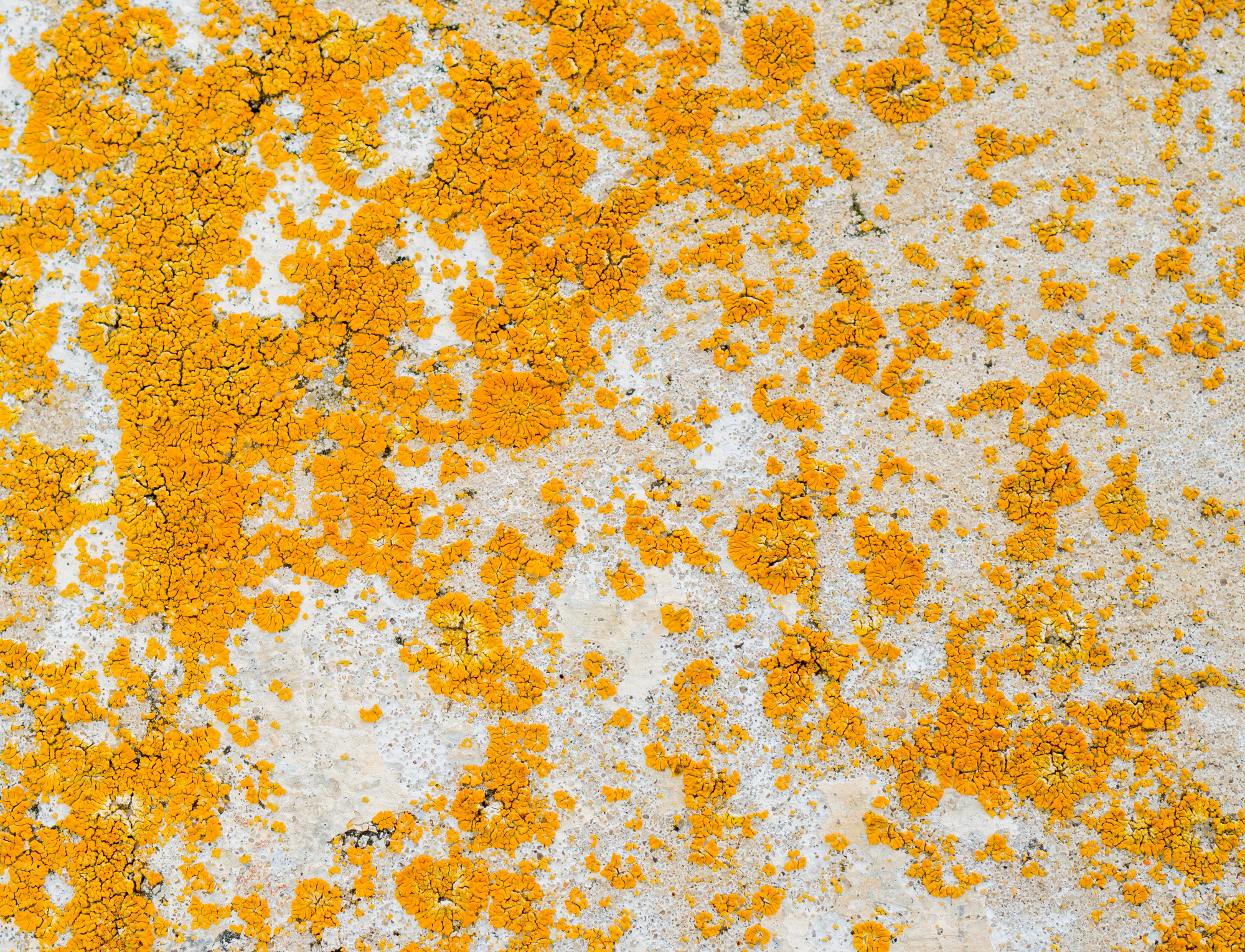
Orange mold remediation goes far beyond simple cleaning. It’s a comprehensive process that addresses contamination, eliminates moisture sources, and restores your property to safe, healthy conditions. For homeowners throughout North Carolina, from the coastal plains to the mountains, understanding the remediation process and how insurance coverage works is essential to protecting both your family and your financial investment.
This guide explains everything North Carolina homeowners need to know about professional orange mold remediation and how to maximize your insurance claim with expert public adjuster assistance.
What Makes Remediation Different from Removal
Many North Carolina homeowners use these terms interchangeably, but there’s a critical difference that affects both effectiveness and insurance coverage.
Orange Mold Removal
Removal focuses on cleaning visible mold from surfaces. It’s a surface-level approach that may eliminate what you can see but doesn’t address underlying problems.
Orange Mold Remediation
Remediation is a comprehensive solution that includes:
- Complete removal of all contaminated materials
- Air quality restoration
- Moisture source elimination
- Preventive measures to stop recurrence
- Structural repairs and restoration
- Verification testing to confirm success
For insurance purposes: Most policies cover “remediation” rather than simple “removal.” Understanding this distinction helps you file claims that insurance companies must honor.
The Complete Orange Mold Remediation Process
Professional remediation follows strict industry protocols established by organizations like the Institute of Inspection, Cleaning and Restoration Certification (IICRC).
Phase 1: Initial Assessment and Containment
Professional Inspection Certified mold assessors examine your North Carolina property to determine the extent of contamination, identify all affected areas including hidden growth, classify the contamination level, and identify the moisture source.
Containment Setup Before any removal begins, professionals establish containment zones using heavy-duty plastic sheeting, create negative air pressure to prevent spore migration, seal HVAC systems to prevent contamination spread, and establish decontamination chambers for workers.
This containment is crucial for insurance claims because it demonstrates that remediation was conducted according to industry standards.
Phase 2: Air Filtration and Spore Control
Professional remediation uses industrial-grade HEPA filtration systems that capture 99.97% of particles as small as 0.3 microns, continuously clean the air during all remediation activities, create negative air pressure gradients, and reduce cross-contamination risk.
In North Carolina’s variable weather conditions, from coastal humidity to mountain temperature fluctuations, proper air filtration prevents mold spores from spreading to other areas during remediation.
Phase 3: Material Removal and Disposal
This is the most extensive phase of remediation.
What Gets Removed
- Contaminated drywall and insulation
- Affected ceiling tiles and paneling
- Compromised carpeting and padding
- Porous materials that cannot be adequately cleaned
- HVAC components with mold growth
- Any structural materials with deep mold penetration
Proper Disposal Contaminated materials must be sealed in heavy-duty plastic bags, transported according to North Carolina regulations, and disposed of at approved facilities.
Documentation Importance Professional remediation companies photograph and document all removed materials. This documentation is essential for mold damage claims, proving the extent of damage and justifying remediation costs.
Phase 4: Deep Cleaning and Treatment
After removing contaminated materials, professionals clean all remaining surfaces using HEPA vacuuming to remove surface spores, antimicrobial treatments to kill remaining mold, specialized cleaning solutions for different materials, and wire brushing for wood surfaces when appropriate.
In areas affected by hurricane and storm damage or plumbing leaks, this cleaning phase often reveals additional damage that must be included in your insurance claim.
Phase 5: Moisture Control and Prevention
This critical phase addresses why the mold grew in the first place.
Moisture Source Repairs
- Fixing roof leaks from storm damage
- Repairing burst pipes and plumbing failures (especially from frozen pipes in winter)
- Addressing foundation cracks and basement seepage
- Improving drainage around your property
- Upgrading ventilation systems
Prevention Measures
- Installing dehumidification systems
- Improving air circulation
- Adding moisture barriers in basements and crawl spaces
- Upgrading insulation to prevent condensation
- Installing moisture monitoring systems
- Basement waterproofing solutions
For insurance purposes, these repairs are often covered under the original peril that caused the mold. CCAUAA expert adjusters ensure these necessary repairs are included in your claim.
Phase 6: Verification and Clearance Testing
Professional remediation isn’t complete until verification confirms success.
Post-Remediation Testing
- Air quality sampling to verify spore counts have returned to normal
- Surface testing in previously affected areas
- Moisture readings to confirm proper drying
- Visual inspection by certified assessors
- Clearance certification
This clearance documentation is invaluable for insurance claims, providing proof that remediation was complete and successful.
Phase 7: Restoration and Reconstruction
The final phase returns your home to its pre-damage condition through replacing removed drywall and insulation, repainting affected areas, installing new flooring if necessary, replacing trim and fixtures, and restoring your home’s appearance.
These restoration costs should be included in your insurance settlement.
Orange Mold Remediation Costs in North Carolina
Understanding typical costs helps you recognize when insurance companies are offering inadequate settlements.
Comprehensive Cost Breakdown
Assessment and Testing: $500 to $1,200
Containment Setup: $500 to $2,000
Air Filtration Equipment: $800 to $2,500
Material Removal and Disposal: $2,000 to $15,000+
Deep Cleaning and Treatment: $1,500 to $5,000
Moisture Control Repairs: $1,000 to $10,000+
Verification Testing: $400 to $800
Restoration and Reconstruction: $3,000 to $25,000+
Total Comprehensive Remediation: $10,000 to $60,000+ depending on extent
Insurance Coverage Challenges in North Carolina
Most North Carolina homeowners policies include mold coverage limits of $10,000 to $25,000. However, CCAUAA expert adjusters often secure coverage beyond these limits by identifying coverage under multiple policy provisions including the original covered peril, water damage coverage, necessary repairs provision, dwelling coverage for structural repairs, and additional living expenses if you must relocate.
When Orange Mold Remediation Is Covered by Insurance
Understanding coverage triggers helps North Carolina homeowners know when to file a claim.
Covered Scenarios Across North Carolina
Coastal Region Hurricane and Storm Damage Hurricane damage to your roof allows water intrusion, resulting in extensive mold growth. Coverage includes roof repairs, mold remediation, and restoration. Our expertise in hurricane and storm damage claims ensures maximum recovery.
Winter Plumbing Failures Frozen pipes burst during North Carolina winters and flood your home. Mold develops within days. Coverage includes pipe repair, water extraction, mold remediation, and restoration. We specialize in plumbing leaks claims throughout North Carolina.
Roof Leak Insurance Claims Storm damage creates a roof leak that goes undetected, causing hidden mold in your attic. Coverage includes roof repair, attic remediation, and insulation replacement. Learn more about roof leak insurance coverage.
Basement Flooding from Storms Severe storms overwhelm your basement drainage, causing flooding and mold growth. Coverage depends on the cause but often includes remediation costs.
Flood Insurance Claims Seasonal flooding affects your property, causing extensive mold growth. Coverage depends on having separate flood insurance but can include comprehensive remediation.
Hail Insurance Claims Hail damage to your roof allows water intrusion during rain. Coverage includes roof replacement, interior repairs, and mold remediation. We handle hail insurance claims across North Carolina.
Fire Damage Claims Firefighting efforts cause extensive water damage and subsequent mold growth. Coverage includes complete fire and water restoration plus mold remediation. Our fire damage claims expertise ensures comprehensive coverage.
How CCAUAA Maximizes Your North Carolina Remediation Claim
Professional public adjuster representation dramatically increases settlement amounts for North Carolina homeowners.
Our Comprehensive Approach
Immediate Response When you contact CCAUAA, we immediately begin protecting your claim by coordinating emergency services, documenting initial damage, reviewing your insurance policy, and establishing communication with your insurer.
Expert Damage Assessment We work with certified professionals to assess the full scope of contamination, identify all moisture sources, document hidden damage, and determine comprehensive remediation needs.
Strategic Claim Preparation Our expert adjusters prepare detailed claims that include professional inspection reports, laboratory testing results, itemized remediation scopes, moisture detection documentation, photographic evidence, and restoration cost estimates.
Aggressive Negotiation Insurance companies routinely undervalue mold claims. We counter with detailed evidence proving the extent of damage, documented industry-standard remediation costs, expert testimony when necessary, and citation of policy provisions requiring coverage.
Multi-Coverage Analysis We identify all applicable policy provisions including the primary covered peril, additional water damage coverage, dwelling and structure coverage, personal property claims, and additional living expense coverage if remediation requires temporary relocation.
Why CCAUAA Clients Receive Higher Settlements
Our expert public adjusters have helped thousands of property owners across North Carolina maximize their insurance claims. Our clients receive higher settlements because we understand insurance company tactics, know how to document claims properly, have relationships with certified professionals, and never settle for inadequate offers.
Common Insurance Company Tactics We Overcome
Insurance companies use predictable strategies to minimize mold remediation claims in North Carolina.
Tactic 1: Claiming Maintenance Neglect
Insurer Argument: “The mold resulted from poor maintenance, not a covered peril.”
CCAUAA Response: We provide documentation proving the mold resulted from a specific covered event, include moisture detection evidence showing sudden water intrusion, and present timeline documentation establishing rapid mold development.
Tactic 2: Minimizing Extent of Damage
Insurer Argument: “Only the visible mold needs cleaning, not comprehensive remediation.”
CCAUAA Response: We provide air quality testing showing widespread contamination, thermal imaging revealing hidden mold, and expert assessments requiring comprehensive remediation per industry standards.
Tactic 3: Coverage Limit Arguments
Insurer Argument: “Your policy has a $10,000 mold limit; we’re only paying that amount.”
CCAUAA Response: We identify additional coverage under the original peril provisions, demonstrate that water damage and structural repairs exceed mold-specific limits, and cite policy language requiring complete restoration.
Tactic 4: Delay and Documentation Requests
Insurer Argument: “We need more documentation before we can approve your claim.”
CCAUAA Response: We provide comprehensive documentation upfront, maintain detailed records of all communications, enforce policy deadlines for insurer response, and escalate when appropriate.
Regional Expertise: North Carolina Mold Challenges
Different regions across North Carolina require different remediation approaches and claim strategies.
Coastal Region Challenges
Climate Factors High humidity and hurricane risk create constant mold threats. Saltwater exposure from storms creates unique damage patterns.
Common Coverage Issues Insurance companies distinguish between hurricane damage and flood damage. We navigate these distinctions to maximize coverage.
Remediation Considerations Coastal properties often require enhanced moisture barriers, improved drainage systems, and specialized treatments for saltwater exposure.
Piedmont Region Challenges
Climate Factors Temperature fluctuations create condensation issues. Older homes often have inadequate insulation and ventilation.
Common Coverage Issues Insurers may argue gradual damage rather than sudden covered events. We prove specific incidents caused contamination.
Remediation Considerations Piedmont properties often require basement waterproofing, improved ventilation, and foundation repairs.
Mountain Region Challenges
Climate Factors Extreme temperature swings cause pipe bursts and condensation. Heavy snow and ice create roof damage and leaks.
Common Coverage Issues Winter weather damage often leads to delayed mold discovery. We establish timelines proving reasonable discovery periods.
Remediation Considerations Mountain properties often require enhanced insulation, improved heating systems, and specialized foundation treatments.
CCAUAA understands these regional differences across North Carolina and adjusts claim strategies accordingly.
Preventing Future Mold Growth
Professional remediation should include preventive measures that insurance may cover.
Coverage for Prevention in North Carolina
Many policies cover reasonable prevention measures when part of covered remediation including:
- Improved ventilation systems
- Moisture barriers in basements and crawl spaces
- Dehumidification equipment
- Drainage improvements
- Upgraded roofing or waterproofing
- Foundation crack repairs
- Basement waterproofing systems
CCAUAA ensures these preventive costs are included in your settlement.
Taking Action: Contact CCAUAA Today
If you need orange mold remediation in North Carolina, professional representation ensures maximum insurance recovery.
Why Choose CCAUAA
- Expert public adjusters ready to maximize your claim
- Quick, professional service across all of North Carolina
- Regional expertise understanding coastal, piedmont, and mountain challenges
- No upfront costs: We work on contingency
- Proven track record of higher settlements
We Handle All Property Claims in North Carolina
- Hurricane and storm damage claims
- Roof leak insurance claims
- Plumbing leaks claims
- Flood insurance claims
- Fire damage claims
- Hail insurance claims
- Mold damage claims
Contact Us Now
Visit: ccauaa.com
Call us today for immediate assistance
We serve property owners throughout:
- Charlotte and surrounding areas
- Raleigh-Durham-Chapel Hill
- Greensboro and Winston-Salem
- Wilmington and coastal communities
- Asheville and mountain regions
- All of North Carolina
Don’t let inadequate insurance settlements leave you paying out of pocket for orange mold remediation. CCAUAA expert public adjusters fight for the maximum settlement you deserve.
Your property deserves complete, professional remediation. Your claim deserves expert representation. Contact CCAUAA today.
CCAUAA provides expert public adjuster services throughout North Carolina. We maximize property insurance claims for hurricane and storm damage, roof leaks, plumbing failures, mold remediation, fire damage, flood damage, and all other covered perils. Quick, professional service with no upfront costs. Contact us today.