
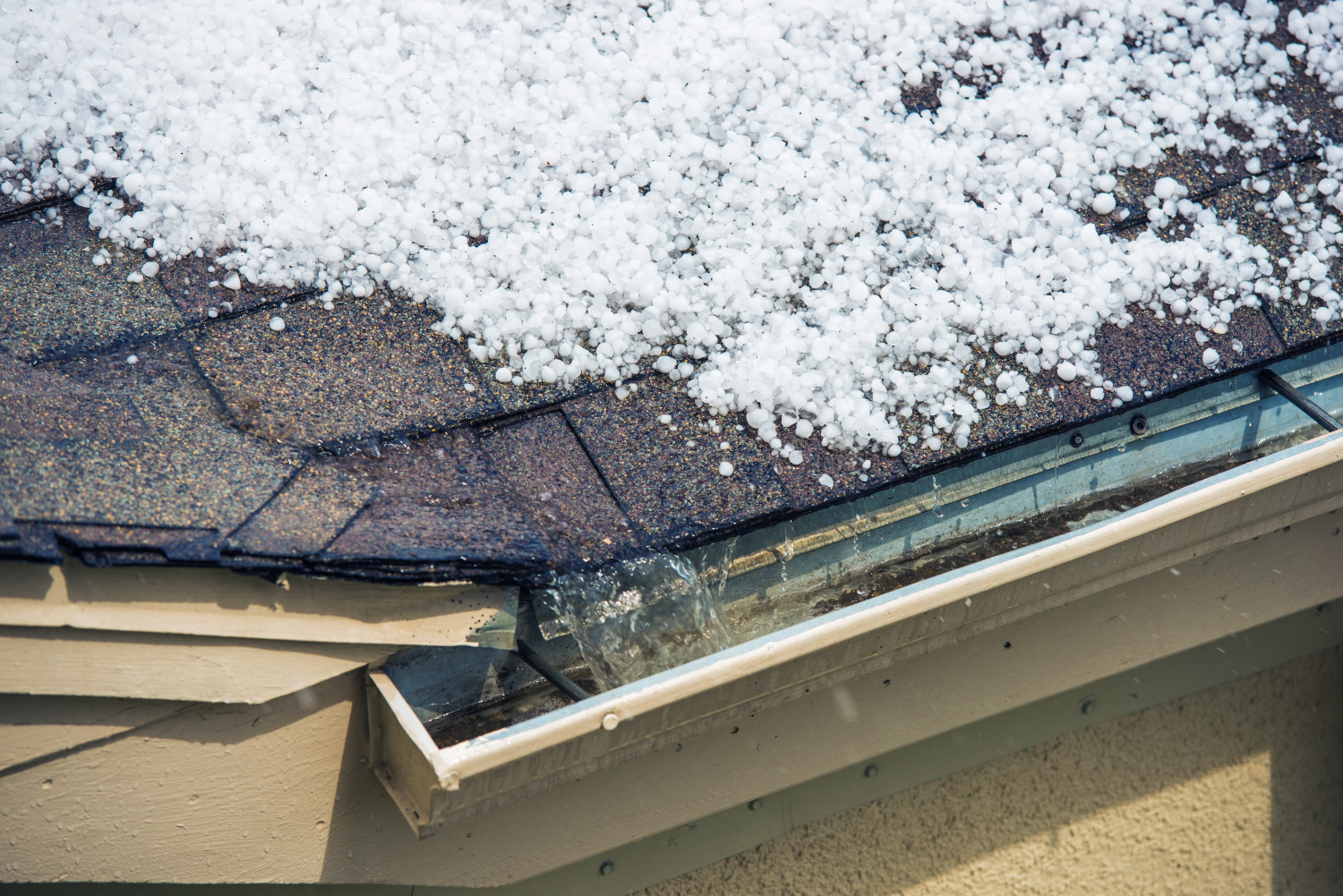
Living in an area prone to hail storms can be a homeowner’s worst nightmare. Hail, a form of solid precipitation, can cause significant damage to your roof, siding, windows, and other exterior elements of your home. If your roof has sustained hail damage, it’s crucial to act quickly and file an insurance claim to ensure proper repairs or replacement.
In this comprehensive guide, we’ll walk you through the process of making a successful home insurance claim for roof hail damage.
Understanding Roof Hail Damage
Hail can wreak havoc on your roof in several ways. The impact of hailstones can cause dents, cracks, or even punctures in your shingles, tiles, or metal roofing. These hail damage to roof issues may not be immediately visible, but they can compromise the integrity of your roof and lead to leaks or further deterioration over time. It’s essential to inspect your roof thoroughly after a hail storm, even if the hail damage roof seems minor.
Does Home Insurance Cover Roof?
The good news is that most standard homeowners insurance policies do cover roof hail damage, but the extent of the coverage can vary. Typically, your policy will provide coverage for repairs or full roof replacement, subject to your deductible and any policy limits. However, it’s important to carefully review your policy to understand the specific details and exclusions related to roof damage.
Some key things to consider regarding home insurance coverage for roof hail damage:
- Deductible: Your policy will have a deductible, which is the amount you’ll need to pay out-of-pocket before your insurance coverage kicks in.
- Depreciation: Your insurance company may factor in depreciation when determining the payout for a roof replacement, which can reduce the amount they’ll cover.
- Roof Age and Condition: Older roofs or roofs in poor condition may have limited coverage or be subject to more stringent requirements to qualify for a full replacement.
- Roof Type: The type of roofing material, such as asphalt shingles, metal, or tiles, can impact the coverage and claim process.
It’s crucial to understand the details of your home insurance policy to ensure you get the coverage you need for roof hail damage.
How to File a Homeowners Insurance Claim?
If you notice hail damage to your roof, it’s important to file a homeowners insurance claim promptly. Here are the steps to follow:
- Review Your Policy: Thoroughly read your homeowners insurance policy to understand the coverage limits, deductibles, and any specific requirements for filing a claim related to hail damage to your roof.
- Gather Documentation: Take detailed photographs and videos of the hail damage roof to your roof from various angles. This visual evidence will support your claim and make it harder for the insurance company to dispute the extent of the damage.
- Contact Your Insurance Company: Notify your insurance company about the hail damage to your roof and provide them with the documentation you’ve gathered. They will typically assign an adjuster to inspect the hail damage to your roof and initiate the claims process.
- Schedule an Inspection: Cooperate with the insurance adjuster by scheduling a convenient time for them to inspect the hail damage to your roof. During the inspection, be present to point out any areas of concern and answer any questions they may have.
Should You Show Roofing Contractor Insurance Estimate?
Yes, it’s highly recommended to show the insurance estimate provided by a reputable roofing contractor when making a hail damage roof insurance claim. This estimate provides a professional and detailed assessment of the extent of the hail damage to roof and the associated costs for repairs or replacement.
Insurance companies often rely on their own adjuster’s assessment, which may underestimate the hail damage to roof or the cost of repairs. By presenting a contractor’s estimate, you provide additional evidence to support your hail damage roof insurance claim and strengthen your negotiating position. The contractor’s estimate can help counter any potential disputes or lowball offers from the insurance company.
How to Make a Successful Water Leak Insurance Claim?
Hail damage can also lead to water leaks in your home, causing additional damage to your interior. If you experience a water leak due to hail-related roof damage, follow these steps to make a successful insurance claim:
- Act Quickly: As soon as you notice a water leak, take immediate action to minimize further damage. Move valuables, place buckets to catch water, and cover exposed areas with tarps or plastic sheeting.
- Document the Damage: Take photographs and videos of the water leak, the affected areas, and any resulting damage to your belongings or interior.
- Notify Your Insurance Company: Contact your insurance company promptly and provide them with the documentation of the water leak and resulting damage.
- Mitigate Further Damage: Follow your insurance company’s instructions for mitigating further damage, such as hiring a water restoration company or making temporary repairs.
How Often Do Insurance Companies Inspect Homes?
Insurance companies typically conduct periodic inspections of insured homes to assess the condition and potential risks. The frequency of these inspections can vary depending on the insurance company’s policies and the age or condition of the property. On average, insurance companies may inspect homes every 3 to 5 years. However, if you file a claim or report significant damage, such as hail damage to roof, they may send an adjuster to inspect your home more frequently.
How to Avoid Paying Home Insurance Deductible?
While your home insurance policy covers the cost of repairs or replacement due to covered perils like hail damage to your roof, you’ll typically have to pay a deductible before the insurance company covers the remaining costs. To avoid paying the deductible, consider the following strategies:
- Increase Your Deductible: When renewing your policy, consider increasing your deductible amount. A higher deductible often results in lower premiums, which can offset the deductible cost over time.
- Bundle Policies: Many insurance companies offer discounts or waive deductibles if you bundle multiple policies, such as home and auto insurance, with them.
- Maintain a Good Credit Score: Insurance companies may waive or reduce deductibles for policyholders with excellent credit scores, as they are considered lower risk.
- Request a Deductible Waiver: In some cases, your insurance company may offer a deductible waiver for specific types of claims, such as hail damage to roof, or if the damage exceeds a certain amount.
How to Negotiate Roof Replacement with Insurance?
Negotiating a fair settlement for roof replacement can be challenging, as insurance companies often try to minimize their payouts. Here are some tips to help you negotiate effectively:
- Understand Your Policy: Thoroughly review your home insurance policy to understand the coverage limits, exclusions, and deductibles related to hail damage to roof and roof replacement.
- Gather Evidence: Collect and organize all documentation, including photos, videos, professional inspections, and repair estimates, to support your claim for roof replacement due to hail damage to roof.
- Be Persistent: Insurance companies may initially offer a low settlement or deny your claim. Be prepared to counter their arguments with evidence and negotiate persistently for a fair settlement.
- Consider Hiring a Public Adjuster: Public adjusters are professionals who represent homeowners in insurance claims negotiations. They can assess the hail damage to roof, interpret your policy, and negotiate with the insurance company on your behalf to ensure you receive a fair settlement.
How Often Will Insurance Pay for a New Roof?
The frequency at which insurance companies will pay for a new roof depends on various factors, including the age of your existing roof, the extent of the damage, and the terms of your policy. Generally, insurance companies will cover the cost of a new roof if the existing roof has sustained significant damage from a covered peril, such as hail, fire, or wind.
However, most policies have a depreciation clause that reduces the payout based on the age and condition of the existing roof. If your roof is near the end of its expected lifespan, the insurance company may only cover a portion of the replacement cost or offer a lower settlement based on the remaining useful life of the roof.
It’s important to note that insurance companies may not pay for a new roof if the damage is due to normal wear and tear or lack of maintenance. Regularly maintaining and inspecting your roof can help ensure it remains in good condition and increase the likelihood of a full payout in the event of covered damage.
How Much Does Homeowners Insurance Go Up After Roof Replacement?
The impact of a roof replacement on your homeowners insurance premiums can vary depending on several factors, such as your insurance provider, location, and the specific circumstances of the claim.
In general, you can expect your homeowners insurance premiums to increase after a roof replacement, as the insurance company will consider your home to be a higher risk due to the recent claim. The increase can range from a few hundred dollars to over a thousand dollars per year, depending on the cost of the roof replacement and your insurance company’s pricing policies.
However, it’s important to note that the premium increase may be temporary. Many insurance companies will review your policy periodically and may adjust your premiums back down if you maintain a claim-free record for a certain period, typically 3 to 5 years.
To minimize the impact on your premiums, consider increasing your deductible or shopping around for a new insurance provider that offers more competitive rates for homeowners with newly replaced roofs.
Get Expert Help with Your Roof Hail Damage Insurance Claim
CCA Public Adjusters are experienced professionals who specialize in representing homeowners in insurance claims negotiations. We can assess the hail damage to your roof, interpret your insurance policy, and negotiate with your insurance company on your behalf to ensure you receive a fair settlement.
Our team of experts can guide you through every step of the claims process, from documenting the damage and filing the claim to negotiating with the insurance company and ensuring proper repairs or replacement of your damaged roof.
Don’t face the challenges of a hail damage to roof insurance claim alone. Contact us today at (704) 266-0996 or email info@ccauaa.com for a free consultation and let us help you maximize your settlement and restore your home’s roof to its pre-damage condition.