
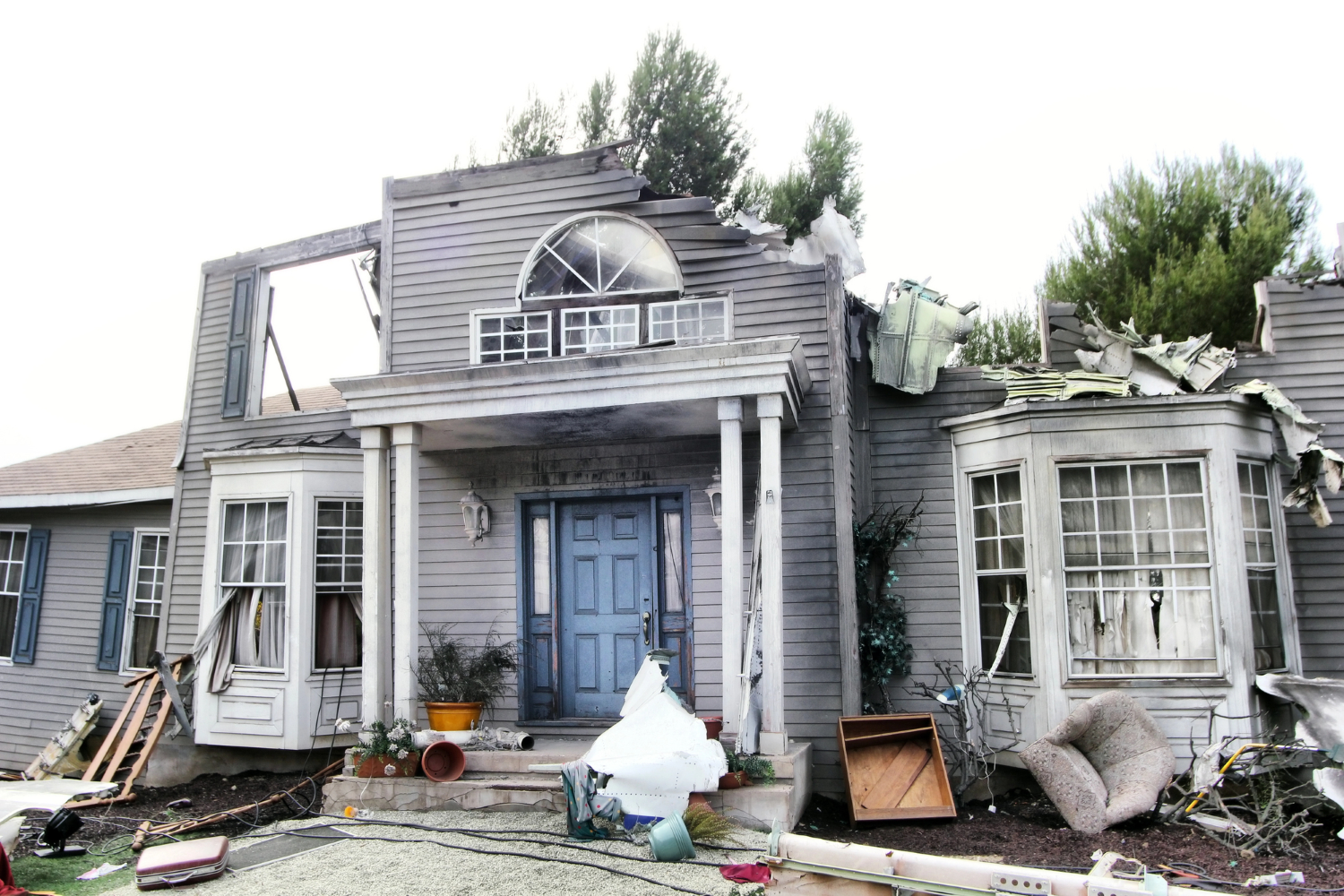
What Constitutes Storm Damage?
Storm damage is any direct harm caused by severe weather, such as:
- Roof damage: Missing shingles, punctured roofs, or leaks caused by hail and wind.
- Window damage: Cracked or shattered windows from flying debris.
- Interior water damage: Often the result of roof leaks or flooding.
- Structural damage: Caused by falling trees or heavy debris.
Roof-related claims are among the most frequent. If you’re wondering, “Can I claim for storm damage to my roof?” the answer is usually yes, provided the damage is linked to covered events like hail or windstorms.
Steps to Take Immediately After a Storm
What you do immediately after a storm can affect the outcome of your storm damage insurance claim. Here are the critical steps to follow:
1. Assess the Damage Safely
Before inspecting the damage, ensure that your property is safe. Avoid downed power lines, sharp debris, and unstable structures. If possible, conduct an initial inspection from the ground to assess the extent of the damage.
2. Document Everything
Clear documentation is the foundation of any successful storm damage claim. Use your smartphone to take pictures and videos of the damage from multiple angles. Capture wide shots of your home and close-ups of specific damage, such as cracks in the roof, broken windows, or fallen trees.
3. Implement Temporary Fixes
While waiting for your insurance adjuster, take steps to prevent further damage. For example, cover roof holes with tarps and seal broken windows with plywood. Keep receipts for any temporary repairs, as these costs may be reimbursable.
4. Contact Your Insurance Company
Once you’ve assessed the damage and secured your home, report the incident to your insurance company. They will guide you through the next steps, including arranging for an adjuster to visit your property.
The Storm Damage Claims Process
Understanding how to file a storm damage claim will help you navigate the process more smoothly.
How to Initiate a Storm Damage Claim
Initiating a storm damage claim begins with promptly contacting your insurance provider. Have your policy number ready, as well as a detailed account of the storm and the damage it caused. Be as specific as possible when describing the impact, such as the areas affected (e.g., roof, siding, windows), the type of damage (e.g., hail, wind, water), and the extent. This helps the insurance company assess the urgency and scope of your claim.
When you call, ask your provider for:
- Next steps in the claims process, including how to proceed with any temporary repairs.
- Deadlines for filing documents or additional claims.
- Whether they will provide any emergency assistance, such as temporary housing or contractors for immediate repairs.
Ensure you’re clear on what is required for the claim to proceed smoothly. Ask for confirmation of who will be handling your case and the expected timeline for when the insurance adjuster will visit.
Role of the Insurance Adjuster in Evaluating Damage
Once your claim is filed, the insurance company will assign an insurance adjuster to assess the damage. This individual’s role is crucial, as they will:
- Inspect your home in detail, including the roof, windows, siding, and any interior damage.
- Document the extent of the damage with their own photos and notes.
- Provide a repair estimate, which will be used to determine how much the insurance company will cover.
It’s important to be present during the inspection to ensure that nothing is overlooked. Walk the adjuster through every area of concern, pointing out all visible damage, including potential structural issues or hidden damage that may not be immediately noticeable. If there are areas where you’ve taken temporary measures (like covering a damaged roof), explain what you’ve done and why, and show them photos of the original damage before the fix.
Be prepared to answer questions about the timeline of events, especially regarding how long after the storm the damage was noticed, to reinforce your claim’s validity.
Tips for Communicating Effectively with Your Insurance Company
Effective communication with your insurance company is essential for a smooth claims process. Follow these tips to ensure clarity and proper documentation:
- Document every conversation: After each phone call, send a follow-up email summarizing what was discussed, agreed upon, and next steps. This creates a paper trail that can protect you in case of any disputes.
- Keep a communication log: Record the date, time, and name of the representative you speak with during every interaction. Make a note of any important details or changes in the process.
- Be clear and concise: When describing the damage or the situation, stick to the facts. Avoid emotional language and focus on the specifics of what was damaged, when it was noticed, and any steps you’ve taken.
- Ask for written confirmation: If any decisions are made or changes occur during the process (like an adjuster being reassigned or repair cost adjustments), ask for written confirmation via email or mail.
By keeping all your interactions organized and clear, you’ll be better equipped to handle any issues that arise during the storm damage claim process and ensure you receive fair compensation.
Common Challenges and How to Address Them
Filing roofing insurance claims for storm damage isn’t always straightforward. Here are some challenges you might encounter and tips on how to handle them:
- Delayed or Denied Claims: Claims can be delayed or denied if you miss deadlines, lack documentation, or if there’s a dispute over the cause of the damage. To avoid this, file your claim promptly and provide clear evidence.
- Underpayment of Claims: If the payout from your insurance company doesn’t cover all repair costs, review the adjuster’s report and provide additional estimates to support a higher claim.
Maximizing Your Claim: Tips and Best Practices
Here are some tips to ensure you get the most out of your storm damage claim:
- Hire a public adjuster: If your claim is complex or involves large damages, consider hiring a public adjuster to advocate on your behalf.
- Understand your policy’s deductible: Your policy may have a special deductible for storm damage, so review it carefully.
- File supplemental claims: If more damage is discovered later, file a supplemental claim immediately and provide documentation.
Preventing Future Storm Damage
Regular home maintenance is essential to minimize the impact of storms. Schedule yearly roof inspections to check for weak spots, clear gutters to prevent water buildup, and trim trees near your home to avoid falling branches during high winds.
Storm-Proofing Tips
Consider taking extra steps to protect your home:
- Install storm shutters on windows and doors.
- Reinforce your roof with hurricane straps.
- Use impact-resistant roofing materials to withstand severe weather.
Research the common weather patterns in your region to better understand the specific risks you face. Stay informed about local building codes and regulations, and make upgrades to your home to meet storm-resistant standards where needed. This preparation will help ensure your home is protected against the types of storms most likely to occur in your area.
Conclusion
Filing a storm damage claim can be overwhelming, but with prompt action and thorough preparation, you can protect your home and ensure proper compensation. Key takeaways include:
- Act quickly to document and report damage.
- Understand your insurance policy’s coverage and exclusions.
- Keep detailed records throughout the claims process.
Review your insurance policy annually to stay prepared for future storms. If you’ve experienced storm damage, contact CCA Public Adjusters today for expert guidance on your claim.
Our team of experienced professionals is ready to guide you through every step and ensure you get the compensation you deserve. Call us at (407) 516-7277 or email us at info@ccauaa.com to get started. Stay prepared and protect your home from future storms—learn more about storm-proofing tips today!