
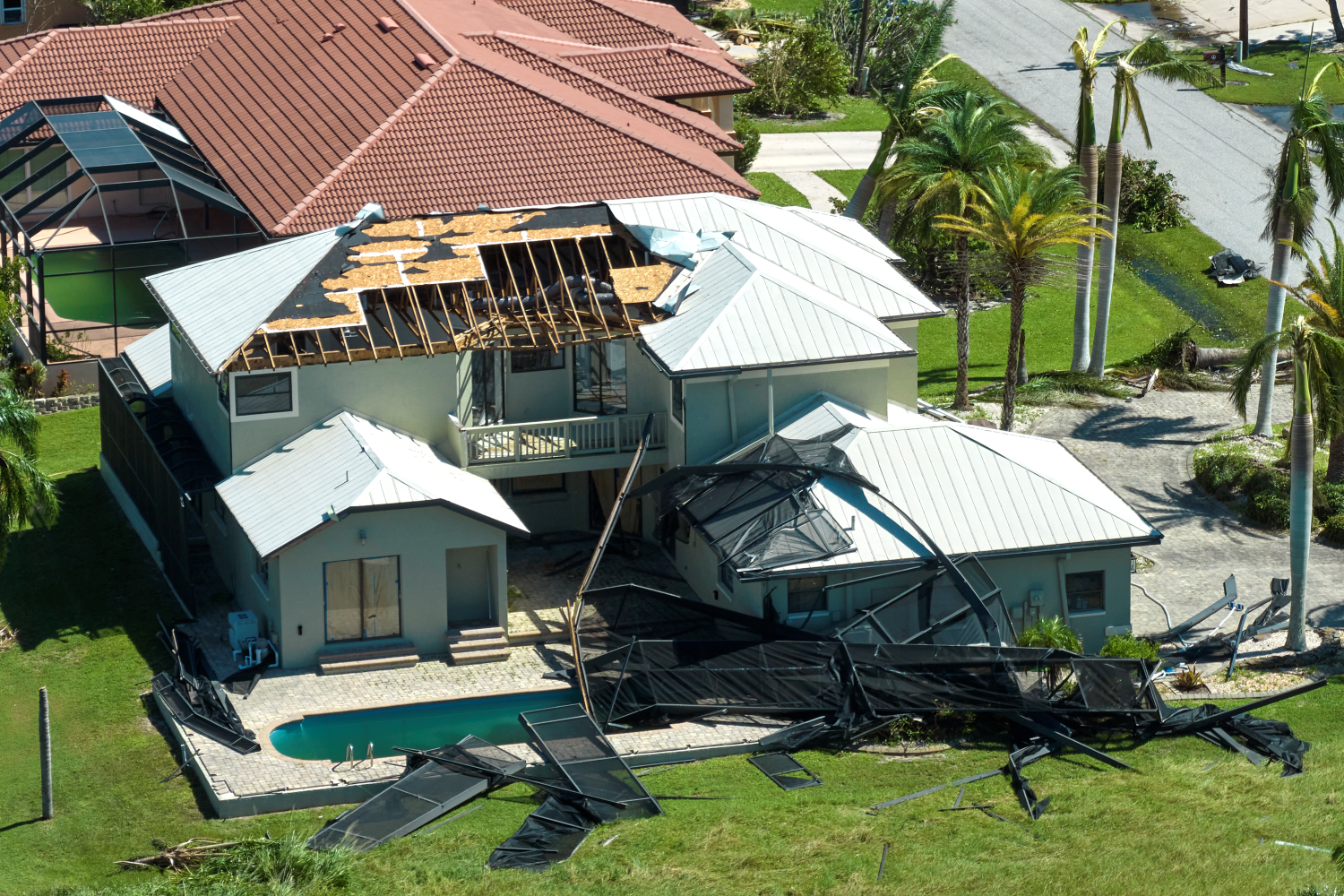
Storms are hitting harder and more often, leaving homes and properties damaged in their wake. Whether it’s wind, rain, or hail, the aftermath can be overwhelming. But knowing the storm damage insurance claim process can make all the difference. Filing a claim shouldn’t be a headache—you just need the right steps and a clear plan.
No more confusion. From immediate safety tips to navigating insurance hurdles, we’ll show you exactly how to protect your home and get the payout you deserve. This is your fast track to recovery.
What Is Storm Damage Insurance?
Storm damage insurance is a key part of most homeowner’s policies. It typically covers damage from natural disasters, but the coverage can vary depending on your policy.
Types of Storm Damage Covered
Storm damage insurance claims often include:
- Wind damage (e.g., from hurricanes or tornadoes)
- Hail damage to roofs and siding
- Water damage from rain due to broken windows or roof leaks
- Damage from fallen trees
- Lightning strikes
It’s important to check your specific policy, as coverage can differ. Also, remember that flood damage is usually not included in storm damage coverage and requires separate flood insurance.
Steps to Take After a Storm: Immediate Actions
Knowing what to do right after a storm can help protect your property and make your storm damage insurance claim process smoother.
Ensure Safety First
Your safety and that of your family should come first. Stay away from downed power lines or weakened structures. If your home has been damaged, only return after authorities say it’s safe. Secure your home by making temporary repairs, like covering broken windows or leaks with tarps, to prevent further damage. Taking these steps can reduce the risk of future issues with storm damage and insurance claims.
Document the Damage
Take clear photos and videos of all visible damage, both inside and outside. This documentation is essential for your storm damage insurance claim process. Focus on areas like:
- Roof (check for missing shingles)
- Windows and doors (look for cracks or leaks)
- Gutters and downspouts
- Siding and walls
- Any personal property damage
The more details you have, the better prepared you’ll be when learning how to file a storm damage claim.
Contact Your Insurance Company
Report the damage to your insurance company as soon as possible. When you call, be ready with:
- Your policy number
- A brief description of the damage
- Any photos or videos of the damage
Ask about next steps and if emergency repairs are covered. Make sure to keep a detailed record of all your conversations with the insurance company.
How to File a Storm Damage Insurance Claim
Once you’ve secured your property and documented the damage, it’s time to file your storm damage insurance claim. Here’s how:
Review Your Insurance Policy
Before you file your claim, take the time to thoroughly review your insurance policy. Pay special attention to key elements such as:
- Coverage limits: How much will your insurance pay for damages?
- Deductibles: What out-of-pocket expenses are you responsible for?
- Exclusions: Are there any types of damage or repairs that your policy doesn’t cover?
Understanding these details is crucial. It helps you know what to expect, avoid surprises, and prepare for any potential gaps in coverage. Knowing the fine print of your policy gives you an advantage in dealing with your storm damage insurance claim process.
Get a Professional Inspection
While your documentation is helpful, it’s also a good idea to have a licensed contractor or public adjuster assess the damage. They can find hidden damage that might be missed and provide a detailed report to support your storm damage roof insurance claim. This professional documentation is a key step in ensuring the success of your claim and avoiding denied storm damage claims.
Work with Your Insurance Adjuster
Your insurance company will send their own adjuster to assess the damage. This visit is crucial, and there are steps you can take to make sure it goes smoothly:
- Be present: Attend the inspection so you can point out all the damage you’ve documented.
- Share your evidence: Show the adjuster your photos, videos, and any reports from contractors or public adjusters.
- Ask questions: Make sure you understand the next steps in the storm damage roof insurance claim process, including the timeline and any other information the adjuster needs from you.
Remember, the adjuster works for the insurance company, so it’s important to advocate for yourself and ensure all the damage is properly noted.
Common Challenges When Filing a Storm Damage Claim
Filing a storm damage insurance claim can sometimes be difficult. Here are some common problems and how to avoid them:
Denied or Delayed Claims
Insurance companies may deny or delay claims for reasons like missed deadlines or not having enough documentation. To avoid these issues, make sure you file your claim promptly and include all the necessary information.
Disputes Over Payout Amounts
Sometimes, there may be disagreements over how much your repairs will cost. If you’re not satisfied with the payout, you can get second opinions or additional estimates to support your claim. It might also be helpful to hire a public adjuster to negotiate on your behalf, ensuring a smoother insurance claim process for storm damage.
Tips for Maximizing Your Storm Damage Claim
Filing a storm damage insurance claim can be challenging, but these tips can help you secure the compensation you deserve.
Keep Detailed Records
Keep a log of all your communication with the insurance company, including emails, phone calls, and any documents. This record can help if there’s a dispute over your claim.
Hire a Public Adjuster
If your claim involves significant damage or seems too complex to handle alone, hiring a public adjuster could make a big difference. Public adjusters work for you, not the insurance company, and can:
- Provide a thorough evaluation: They assess the damage and create a detailed report to support your claim.
- Negotiate on your behalf: With their expertise in insurance claims, public adjusters can help you secure a fair settlement that reflects the true cost of your repairs.
Consider hiring a public adjuster if you’re facing a large claim or if you feel your insurance company isn’t offering a fair amount for the storm damage insurance claim.
Know When to Appeal
If your claim is denied or you don’t get a fair offer, you have the right to appeal. This involves submitting more evidence and possibly asking for mediation. Don’t hesitate to exercise your rights if you feel you haven’t been treated fairly.
How Long Does the Storm Damage Claim Process Take?
The time it takes to resolve a storm damage insurance claim depends on several factors, including the amount of damage, how quickly you file, and the number of claims your insurance company is handling. Simple claims might be resolved in a few weeks, but more complex ones can take several months.
Filing your claim as soon as possible and staying in touch with your insurer can help speed up the process for roofing insurance claims for storm damage.
How to Prevent Future Storm Damage
While storms can’t be controlled, there are ways to reduce the damage they cause and possibly lower your insurance premiums.
Proactive Steps to Protect Your Property
Consider making upgrades to protect your home from storm damage. Some steps you can take include:
- Installing storm shutters
- Using impact-resistant windows and doors
- Securing outdoor furniture
- Trimming trees near your home
These upgrades can help reduce the risk of damage during future storms.
Understanding the Role of Maintenance
Regular maintenance is also important for preventing storm damage. Make sure to:
- Inspect your roof and fix any issues promptly
- Clean your gutters regularly
- Check windows and doors for leaks or damage
Keeping your home in good shape will not only protect it during storms but also make the storm damage insurance claim process smoother if you need to file one.
Conclusion
Handling a storm damage insurance claim doesn’t have to be a stressful, drawn-out process. Act quickly, document every detail, and stay proactive in maintaining your home. These steps will help, but nothing beats having the right experts in your corner.
Why go through the hassle of battling insurance companies alone? At CCA Public Adjusters, we specialize in fighting for the maximum compensation you deserve. From inspections to negotiations, we handle all the heavy lifting so you can focus on getting your home back in shape.Call us today at (407) 516-7277 or email info@ccauaa.com for a free, no-obligation consultation. With our expertise, we’ll make sure you’re fully covered and ready for the next storm. The right help is just a call away—don’t wait!