
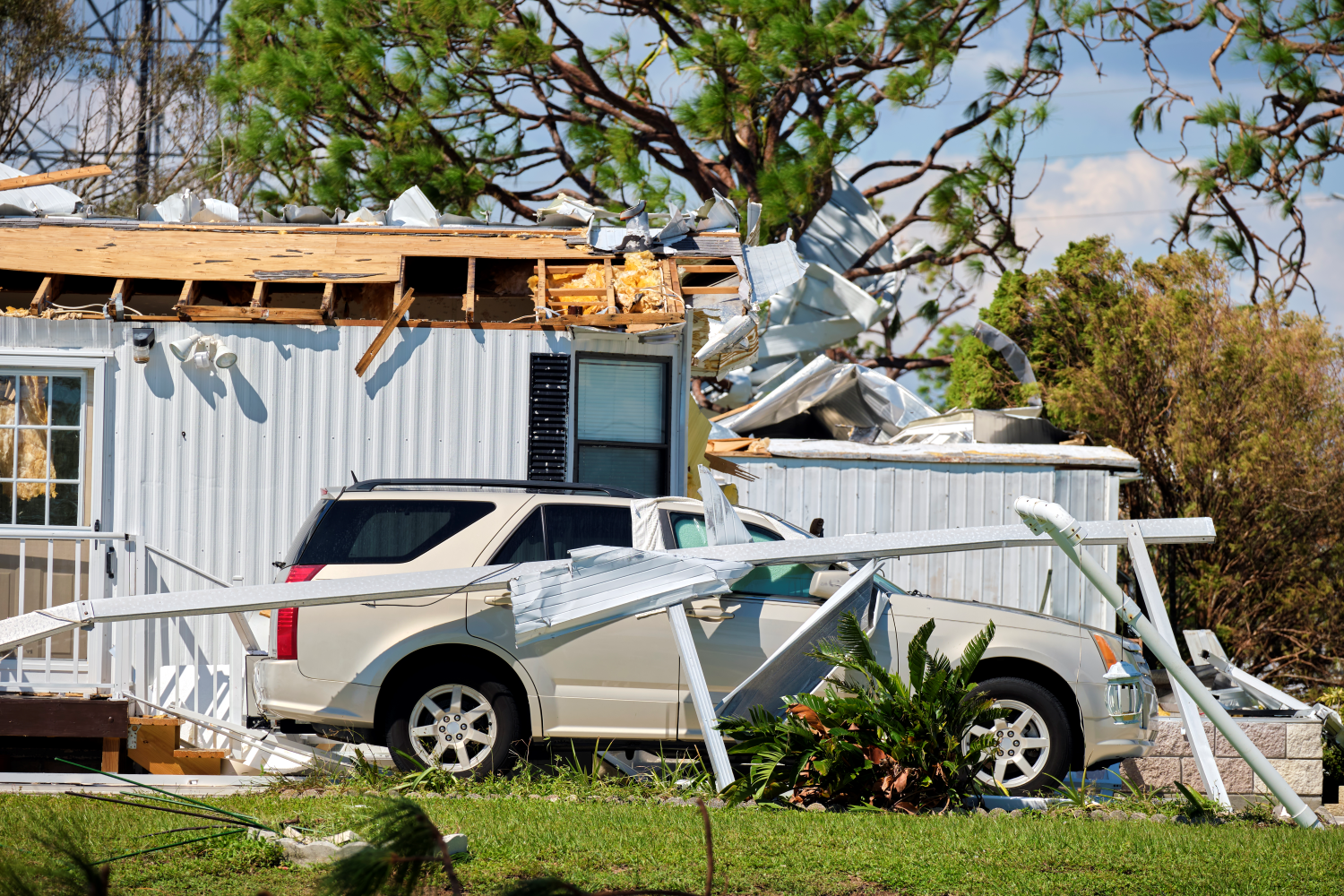
Unpredictable and often devastating, weather damage poses a significant threat to homes and properties across the globe. Whether it’s the relentless force of storms or the destructive power of hurricanes, these natural occurrences can wreak havoc, inflicting substantial structural and financial losses. In such tumultuous times, being equipped with a solid understanding of weather damage claims is paramount for homeowners. In this concise guide, we aim to unravel the complexities of weather damage claims, offering indispensable insights and practical advice to empower homeowners in navigating the aftermath with confidence.
Understanding Weather Damage Claims
Weather damage claims encompass a wide range of scenarios, including wind damage, hail damage, and flooding caused by storms or hurricanes. When faced with such situations, homeowners must act swiftly to assess the damage and initiate the claims process with their insurance provider.
What to Do If You Have Storm Damage?
If your property has sustained storm damage, it’s crucial to take immediate action to prevent further harm and begin the recovery process. Start by assessing the extent of the damage and ensuring the safety of yourself and others on the property. Document the damage thoroughly through photographs or videos, as this evidence will be invaluable during the claims process.
Weather Damage Insurance Claim Process
The weather damage claim process can be complex, but understanding its key steps can help homeowners navigate it more effectively. Here’s an overview of the weather damage claim process:
Assessment of Damage: The first step is to assess the extent of the damage to your property caused by weather events such as storms, hurricanes, or other natural disasters. Document the damage thoroughly by taking photographs or videos, as this evidence will be essential when filing your insurance claim.
Review Insurance Policy: Review your homeowner’s insurance policy to understand the coverage you have for weather-related damage. Pay attention to specific terms, exclusions, deductibles, and limits of coverage. Knowing what your policy covers will help you prepare for the claims process.
Contact Your Insurance Provider: Promptly report the weather damage to your insurance company. Most insurers have specific procedures for filing claims, so follow their instructions carefully. Provide detailed information about the damage, including the date, time, and cause of the incident.
File the Claim: Fill out the necessary claim forms provided by your insurance company. Be thorough and accurate in providing information about the damage and any temporary repairs you’ve made to prevent further loss. Submit any supporting documentation, such as photos, estimates, or receipts, along with your claim.
Insurance Adjuster Inspection: After filing your claim, an insurance adjuster will be assigned to assess the damage to your property. They will inspect the affected areas, evaluate the extent of the damage, and determine the coverage and compensation you are entitled to under your policy.
Claims Settlement: Once the insurance adjuster completes their inspection and reviews the claim, they will provide a settlement offer based on their findings and your policy coverage. Review the settlement offer carefully to ensure it adequately covers the cost of repairs or replacement of damaged property.
Negotiation (if necessary): If you believe the settlement offer is insufficient to cover the full extent of the damage, you have the right to negotiate with your insurance company. Provide additional evidence or documentation to support your claim and negotiate for a fair settlement.
Approval and Payment: Once you and your insurance company agree on a settlement amount, the claim will be approved, and payment will be issued. Depending on the terms of your policy and the complexity of the claim, payment may be issued in a lump sum or in installments.
Repairs and Restoration: With the insurance claim settled and payment received, you can proceed with repairing and restoring your property. Work with reputable contractors or service providers to ensure quality repairs and restoration to bring your property back to its pre-damaged condition.
Storm Damage Repairs
Once your insurance claim has been approved, it’s time to proceed with storm damage repairs. Work closely with your chosen service provider to develop a repair plan that addresses all aspects of the damage, from structural repairs to cosmetic enhancements. Prioritize repairs that ensure the safety and integrity of your property, followed by aesthetic improvements to restore its pre-damaged condition.
Storm Damage Claims Near Me
Finding local resources for storm damage claims can streamline the recovery process and provide homeowners with personalized assistance. Utilize online directories or seek recommendations from neighbors, friends, or family members who have previously dealt with weather damage claims. Local public adjusters or restoration companies specializing in storm damage can offer valuable support and guidance throughout the claims process.
Conclusion
Weather damage claims can present significant challenges for homeowners, but with the right knowledge and resources, navigating the process can be more manageable. By understanding the insurance claim process, selecting the best storm damage service, and prioritizing prompt repairs, homeowners can effectively recover from weather-related damage. For personalized assistance with weather damage claims, contact CCA Public Adjusters at (407) 516-7277 or email info@ccauaa.com. Visit our website for more information and expert guidance on weather damage claims.