
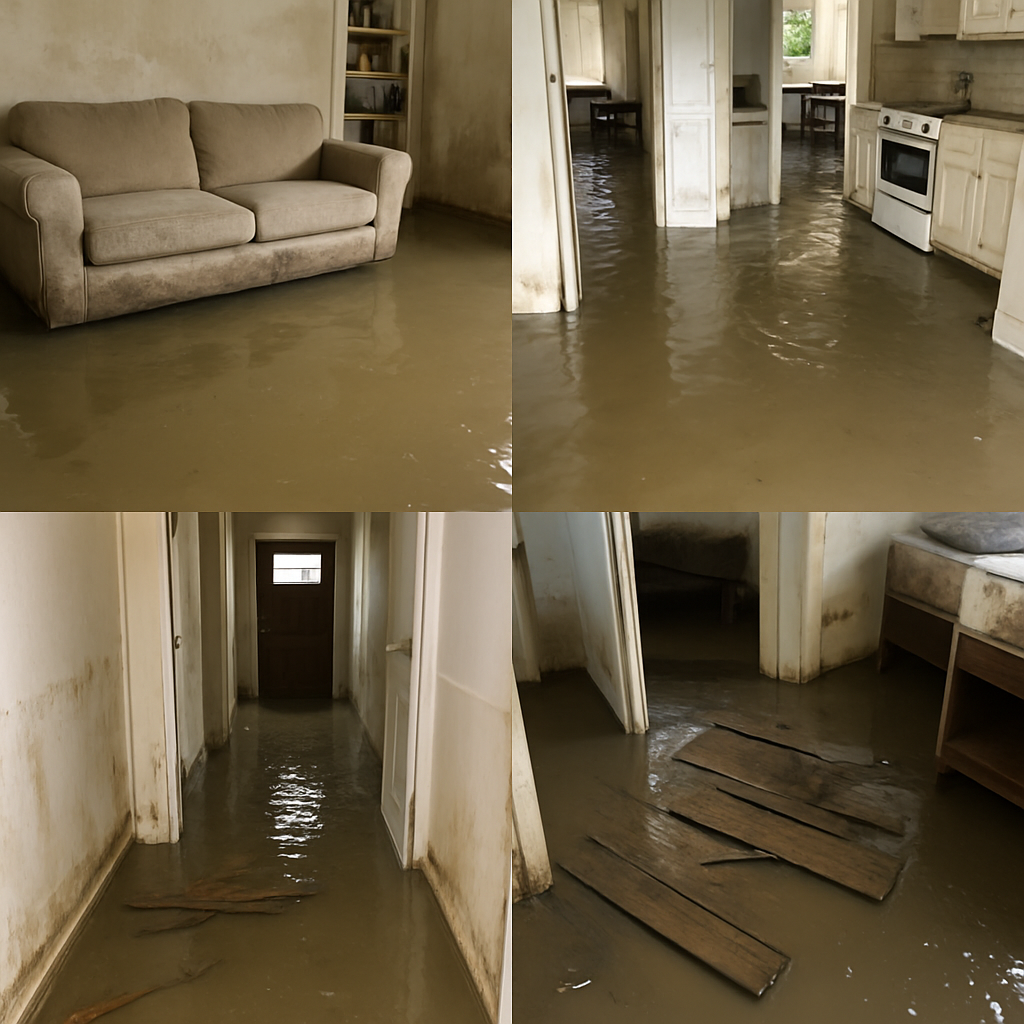
Flood damage creates a very different set of challenges than other property losses. The rules are stricter, the paperwork is heavier, and the flood insurance claim process leaves far less room for error. Many property owners assume the insurance claim process for flooding works the same way as storm or water damage claims. It does not.
This guide explains the insurance claim steps specific to flooding, how flood damage claims are evaluated, and where homeowners commonly lose time or money if the process is not handled correctly.
What Qualifies as Flood Damage Under Insurance?
Flood damage is defined differently than water damage. Most flood insurance policies define flooding as water that rises from the ground and affects two or more properties, or water that enters a structure from outside at ground level.
Examples of flood damage include:
- Storm surge
- Heavy rainfall causing surface water intrusion
- Overflow from rivers, lakes, or drainage systems
Standard homeowners insurance policies typically do not cover flood damage. Flood coverage usually comes from a separate flood insurance policy, often through FEMA’s National Flood Insurance Program (NFIP) or a private flood insurer.
Understanding this distinction early is critical to navigating the flood insurance claim process correctly.
Flood Insurance Claim Process Explained Step by Step
Flood claims are documentation-heavy and deadline-driven. Missing a step or submitting incomplete information can delay or reduce payment.
Step 1: Prioritize Safety and Prevent Further Damage
Once it is safe to return to the property, take reasonable steps to prevent additional damage. This may include removing standing water or beginning the drying process.
Avoid permanent repairs until damage is fully documented.
Step 2: Document All Flood Damage Thoroughly
Flood damage often extends beyond what is immediately visible. Proper documentation should include:
- Photos and videos of all affected areas
- Structural damage to walls, floors, and foundations
- Water lines showing flood height
- Damaged personal property and contents
Strong documentation is the foundation of successful flood damage claims.
Step 3: Report the Loss Immediately
Flood insurance policies often require prompt notice of loss. Contact your insurance provider as soon as possible to start the insurance claim process and receive claim instructions.
Delays at this stage can affect coverage eligibility.
Step 4: Complete Flood-Specific Claim Forms
Flood claims usually require additional documentation, including a proof of loss form. These forms must be completed accurately and submitted within strict deadlines.
Errors, missing information, or late submissions can delay payment or reduce compensation.
Step 5: Insurance Adjuster Inspection
The insurance company or FEMA will assign an adjuster to inspect the property. This adjuster represents the insurer, not the policyholder.
Their assessment significantly influences what damage is approved, limited, or excluded.
Step 6: Review the Claim Determination Carefully
Many flood claim settlements do not reflect the full scope of damage. Common issues include:
- Missed structural or subsurface damage
- Limited interpretations of coverage
- Excluded materials without clear explanation
Carefully reviewing the decision is a critical part of the flood insurance claim process.
Common Mistakes That Hurt Flood Damage Claims
Flood claims leave little room for error. Common mistakes include:
- Assuming flood damage is treated the same as water damage
- Missing proof-of-loss deadlines
- Accepting the first settlement without review
- Making permanent repairs before documentation is complete
Understanding the correct insurance claim steps helps avoid these costly issues.
Why the Flood Insurance Claim Process Is So Strict
Flood insurance policies, especially those backed by FEMA, follow rigid rules. These policies typically:
- Require exact documentation
- Enforce strict timelines
- Limit coverage based on policy language
- Exclude certain finishes or improvements
Because of these restrictions, flood claims require more precision than most other property claims.
How Flood Damage Claims Are Evaluated
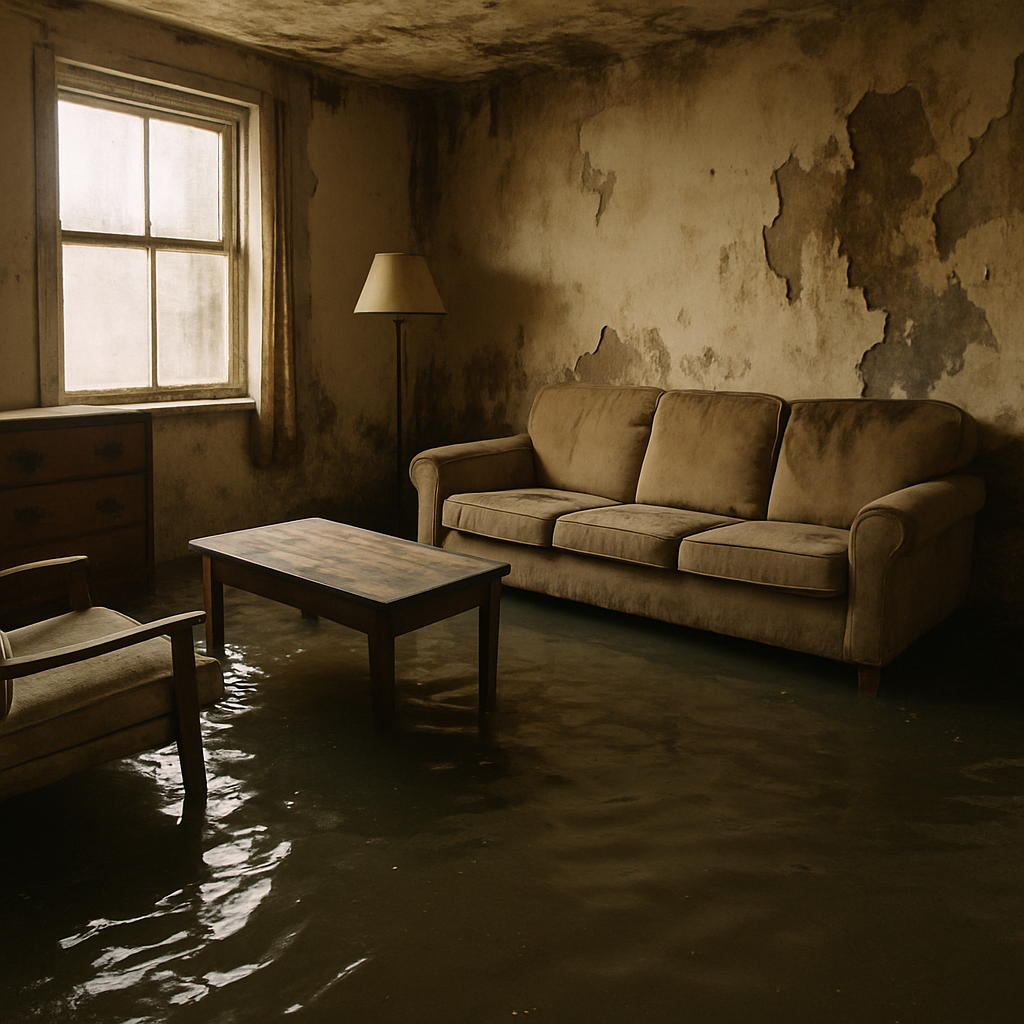
Insurance companies evaluate flood claims using:
- Adjuster inspection reports
- Flood depth measurements
- Policy coverage limits and exclusions
- Repair cost assessments
If damage is not clearly documented or categorized correctly, it may be excluded even if it resulted directly from flooding.
This is why understanding the insurance claim process is just as important as repairing the damage.
What to Do If Your Flood Insurance Claim Is Delayed or Underpaid
Flood claims are often delayed or underpaid, especially after widespread flooding events.
If this happens:
- Request written explanations for decisions
- Review the adjuster’s report line by line
- Compare estimates to actual repair needs
- Submit additional documentation if needed
Flood claims can often be corrected when issues are identified early.
When Professional Claim Help Makes Sense
Many property owners seek assistance when:
- The damage is extensive
- The settlement seems too low
- Deadlines are approaching
- The claim is delayed or denied
Professional claim representation focuses on documentation accuracy, compliance with policy rules, and communication with the insurance company throughout the flood insurance claim process.
Timeline Expectations for Flood Insurance Claims
While every claim is different, most flood claims follow this general timeline:
- Claim reporting: immediately after flooding
- Inspection: days to weeks
- Proof of loss submission: policy-specific deadline
- Review and payment decision: weeks to months
Flood claims often take longer than standard claims due to additional review requirements.
Knowledge Protects Your Flood Claim
Flood damage is overwhelming, but the claims process does not have to be confusing or unfair. Property owners who understand the insurance claim steps, follow the correct insurance claim process, and document thoroughly are better positioned to recover fairly from flood damage claims.
Knowing how the flood insurance claim process works helps you avoid mistakes, reduce delays, and protect your property investment.
Need Help With a Flood Insurance Claim?
If you are unsure whether your flood insurance claim process was handled correctly, a professional claim review can help you understand your options before deadlines expire.
CCA Public Adjusters reviews flood damage claims to identify missed damage, underpaid items, and documentation issues that may impact your settlement.Call (407) 516-7277 or email info@ccauaa.com to request a free, no-obligation flood insurance claim review and get clear guidance on your next steps.